

What’s in the Sky - June 2026 (Victoria, B.C.)
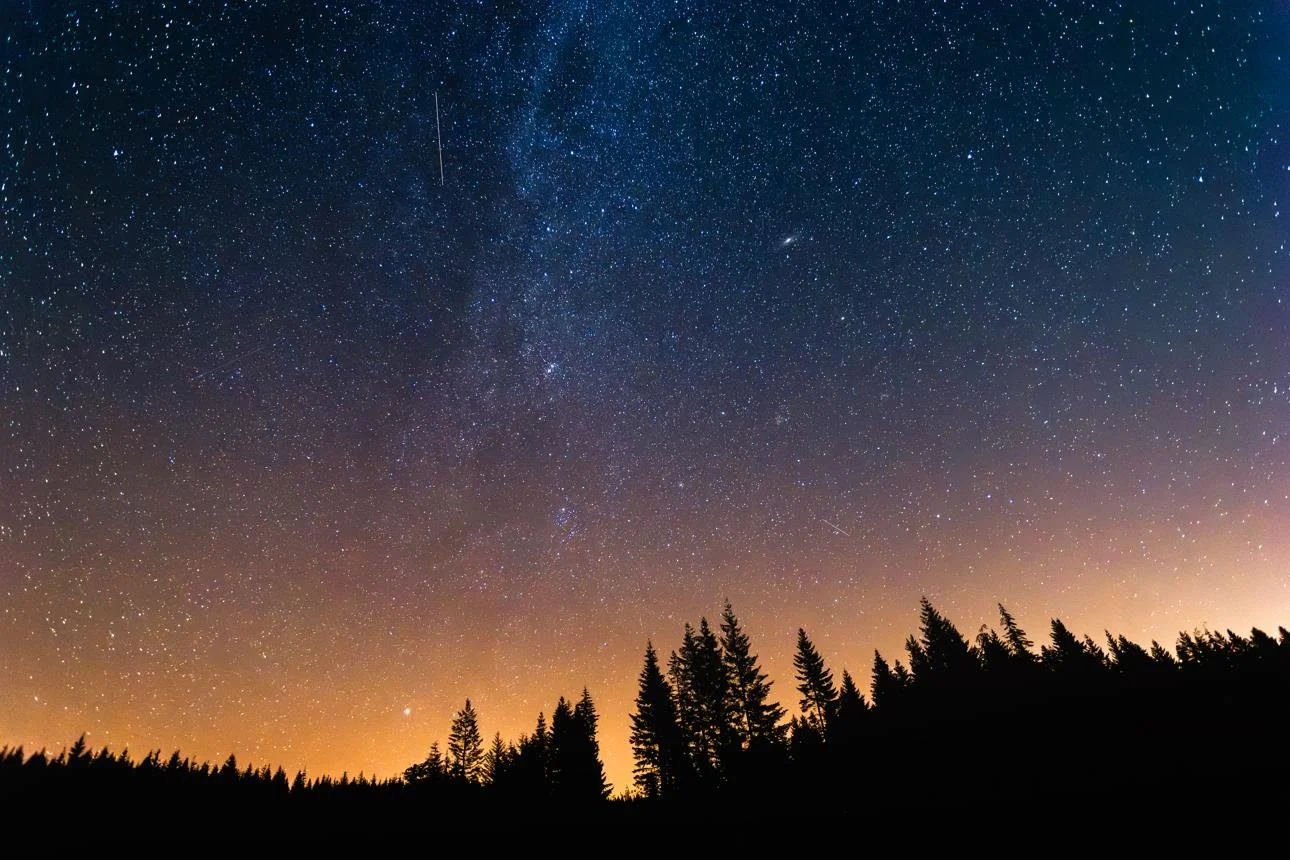
June marks the beginning of summer observing season across southern British Columbia. Although the nights grow short approaching the summer solstice, warmer temperatures and the gradual return of the Milky Way make this one of the most atmospheric times of year to spend under the stars.
For observers in Victoria, twilight becomes a defining feature of the month. Even long after sunset, a soft glow often remains along the northern horizon, especially near June 20 when the Sun reaches its northernmost point in the sky. True astronomical darkness only lasts a few hours, meaning deep-sky observers will need to stay out late to experience the best conditions.
Despite the brightening nights, several familiar planets remain visible during the evening hours.
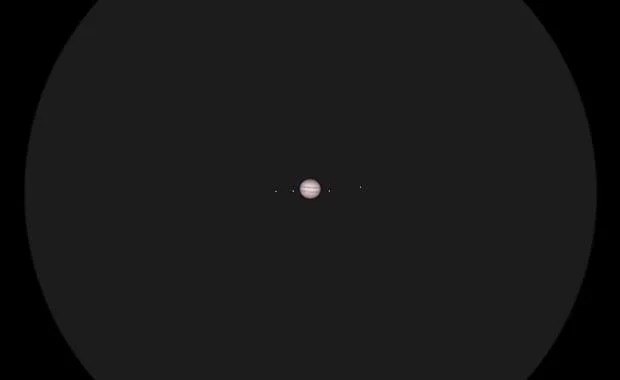
Jupiter continues shining in the western sky after sunset during the early part of the month, though it sinks lower each evening as June progresses. Through a telescope, observers can still make out its cloud belts and Galilean moons before it disappears into the twilight glow later in the month.
Venus remains impossible to miss in the evening sky.
Hanging low in the west after sunset, it blazes through the fading twilight and becomes one of the first celestial objects visible each evening. Its brightness makes it an ideal target for casual observers, photographers, and anyone simply taking a moment to look west as the Sun goes down.
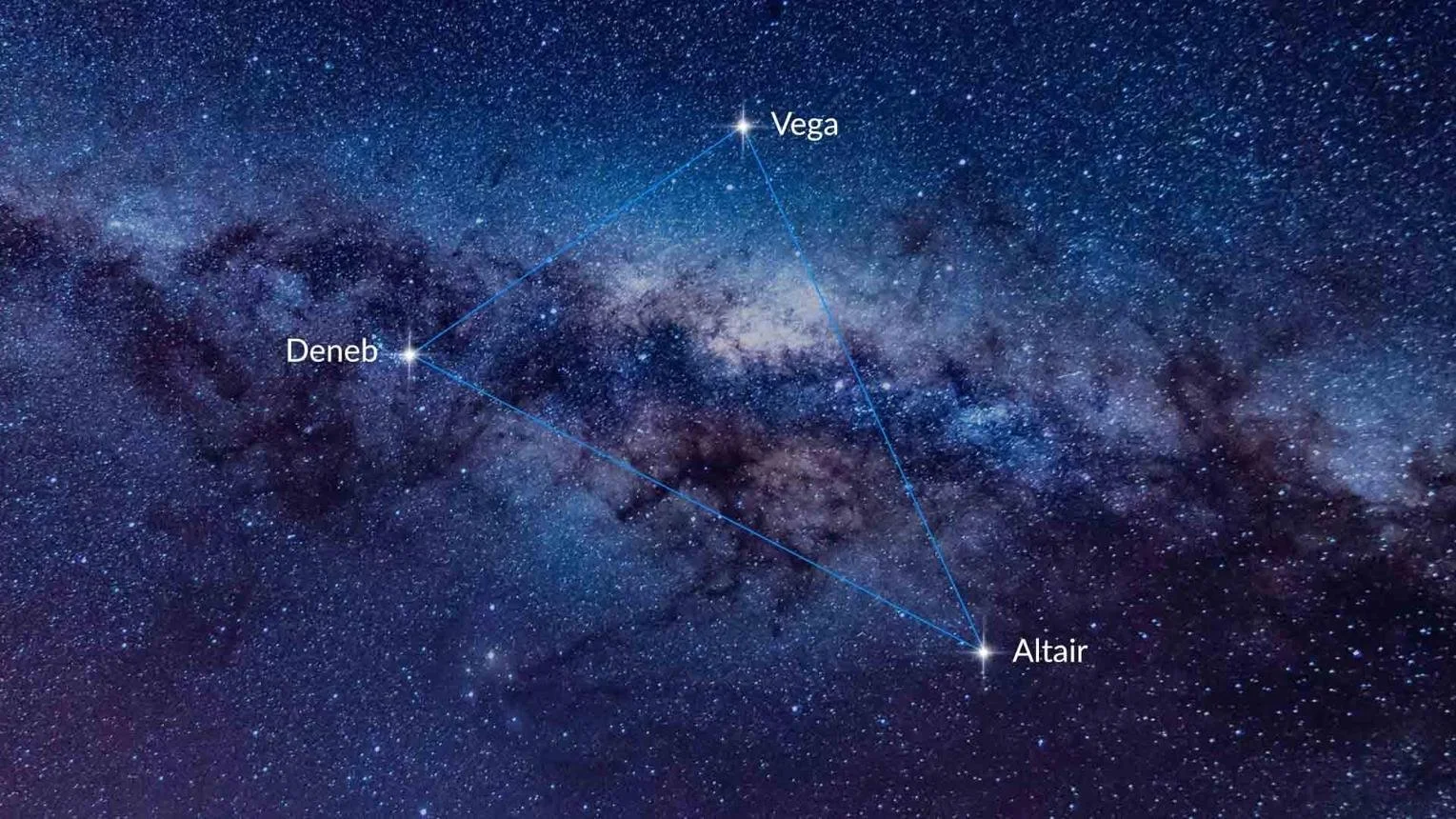
By late evening, the character of the sky begins to shift toward summer. The bright stars Vega, Deneb, and Altair climb steadily higher through the night, forming the well-known Summer Triangle.
This large asterism acts as a guidepost toward the Milky Way, which slowly becomes more prominent in the southeastern sky as the month progresses. For observers willing to stay up past midnight, June offers the first strong views of the dense star fields that will dominate the summer months ahead.
Some of the richest regions of the Milky Way also begin rising before dawn.
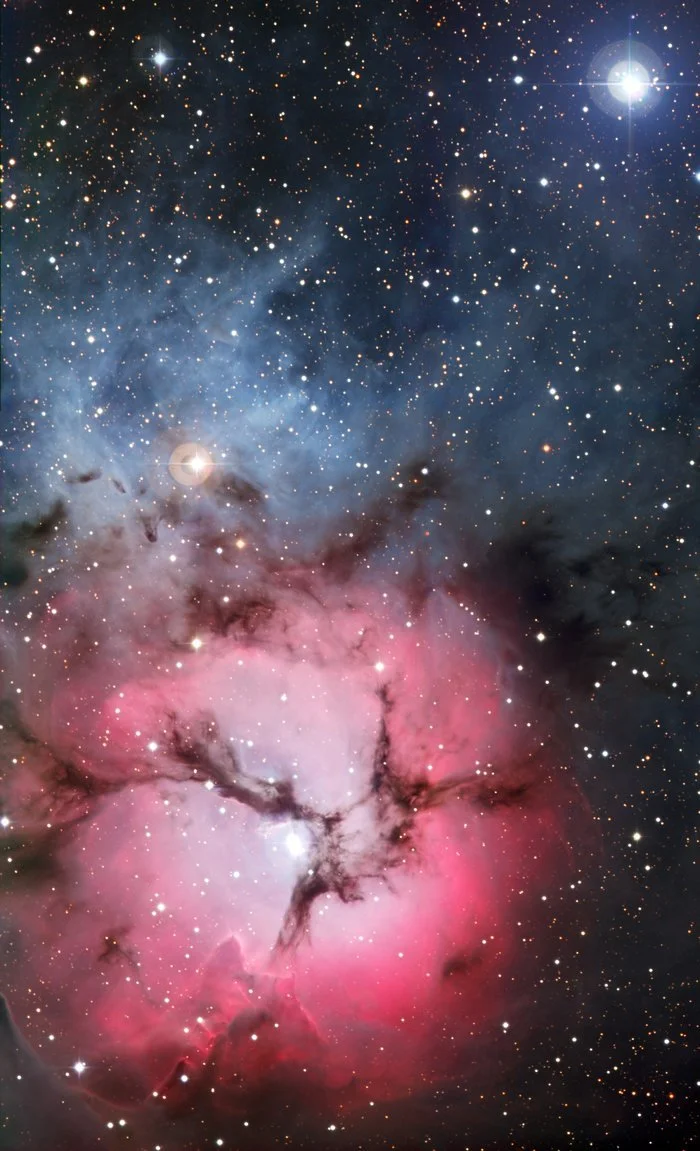
The constellations Sagittarius and Scorpius remain low from Victoria’s latitude, but they still reveal bright nebulae and crowded star fields in the direction of the galactic centre. Objects like the Lagoon Nebula and Trifid Nebula become increasingly rewarding targets under dark skies later in the month.
June may not provide the long nights of spring, but it replaces them with something different: warm air, late sunsets, and the unmistakable feeling that summer observing season has arrived. As the Milky Way slowly returns to the night sky, June becomes less about chasing individual events and more about simply spending time beneath the stars.
