

What’s in the Sky — July 2026 | Victoria, B.C.
July is one of the best months of the year for stargazing in Victoria. While the nights remain relatively short, astronomical darkness returns for much longer than it does in June, and the summer Milky Way takes centre stage. Warm temperatures and generally stable weather make July an ideal time to explore the night sky, whether with the naked eye, binoculars, or a telescope.
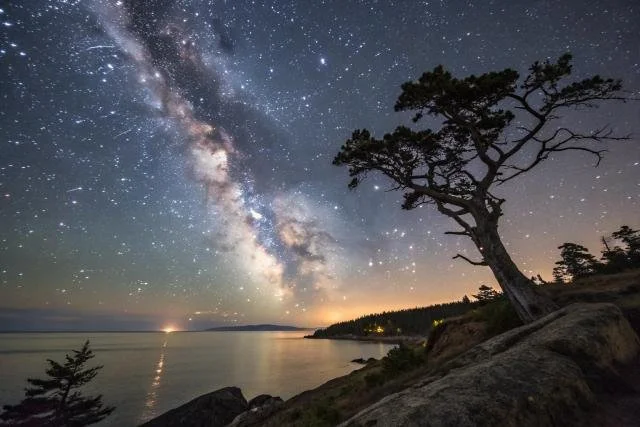
By late evening, the Milky Way stretches from the north-eastern sky toward the southern horizon, revealing countless stars, dark dust lanes, and bright nebulae. Under dark skies away from city lights, its structure becomes strikingly apparent and serves as the highlight of the month for many observers.
The Summer Triangle now dominates the eastern and overhead sky.
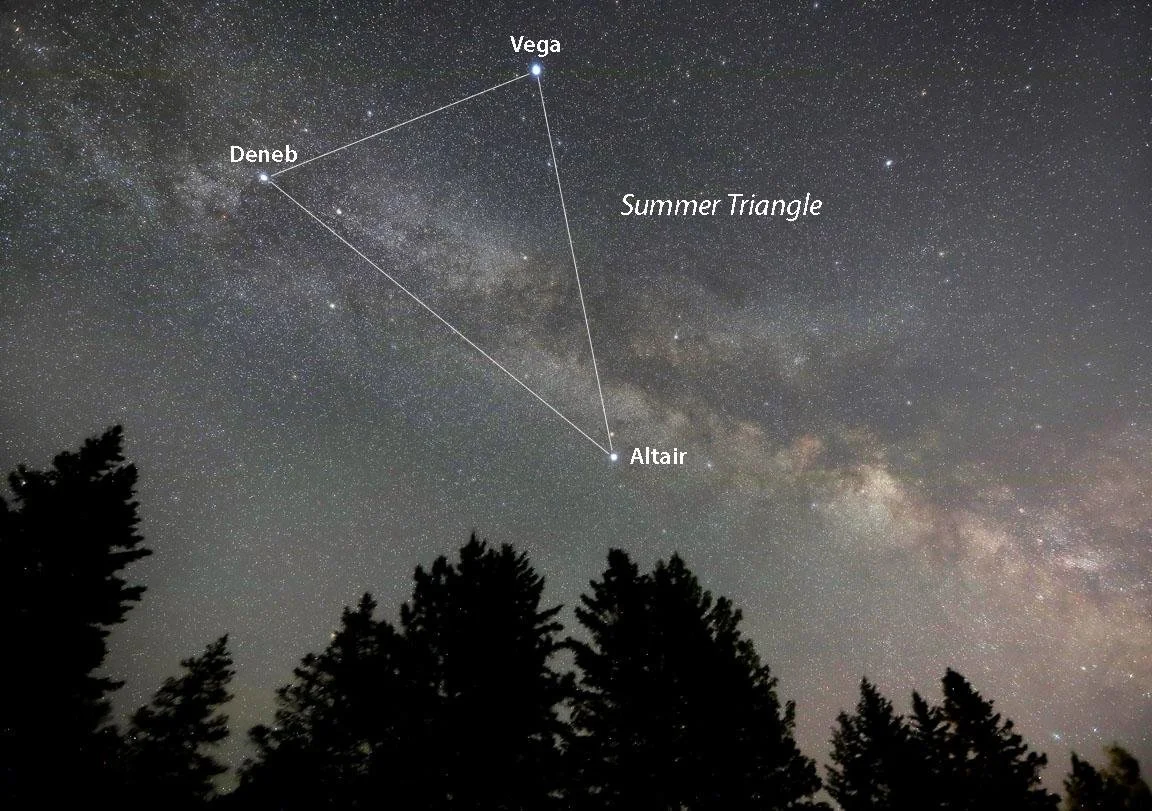
Formed by the bright stars Vega, Deneb, and Altair, this familiar pattern is one of the easiest asterisms to identify during the summer months. Once you've found the Summer Triangle, following the Milky Way southward leads to some of the richest regions of our galaxy.
Among the season's finest deep-sky objects are several bright nebulae found low in the southern sky.
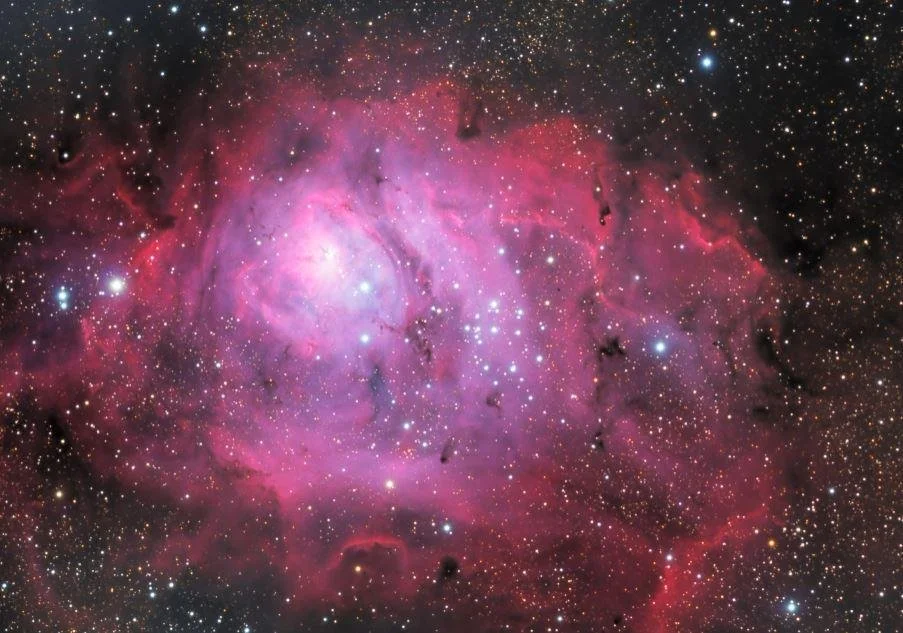
Although the constellations Sagittarius and Scorpius never climb particularly high above Victoria's southern horizon, they contain spectacular objects including the Lagoon Nebula (M8), the Trifid Nebula (M20), and the rich Sagittarius Star Cloud (M24). These objects are best viewed from locations with a clear southern horizon and minimal light pollution.
The Milky Way also offers excellent opportunities for binocular observing. Sweeping slowly along its brightest regions reveals numerous open star clusters, glowing nebulae, and intricate dark lanes of interstellar dust. Some of the most rewarding observations require no telescope at all.
Planetary observing becomes more limited during July, but Venus continues to shine brilliantly in the evening twilight.
Low in the western sky after sunset, Venus remains one of the brightest objects in the night sky and is easily visible even before the sky becomes fully dark. It provides an excellent target for casual observers and photographers alike.
July also marks the beginning of the return of one of the year's most anticipated meteor showers. The Southern Delta Aquariids become active during the second half of the month, although they do not reach their peak until late July and are generally modest from Canadian latitudes. Patient observers under dark skies may begin spotting a few meteors in the hours before dawn as the month comes to a close.
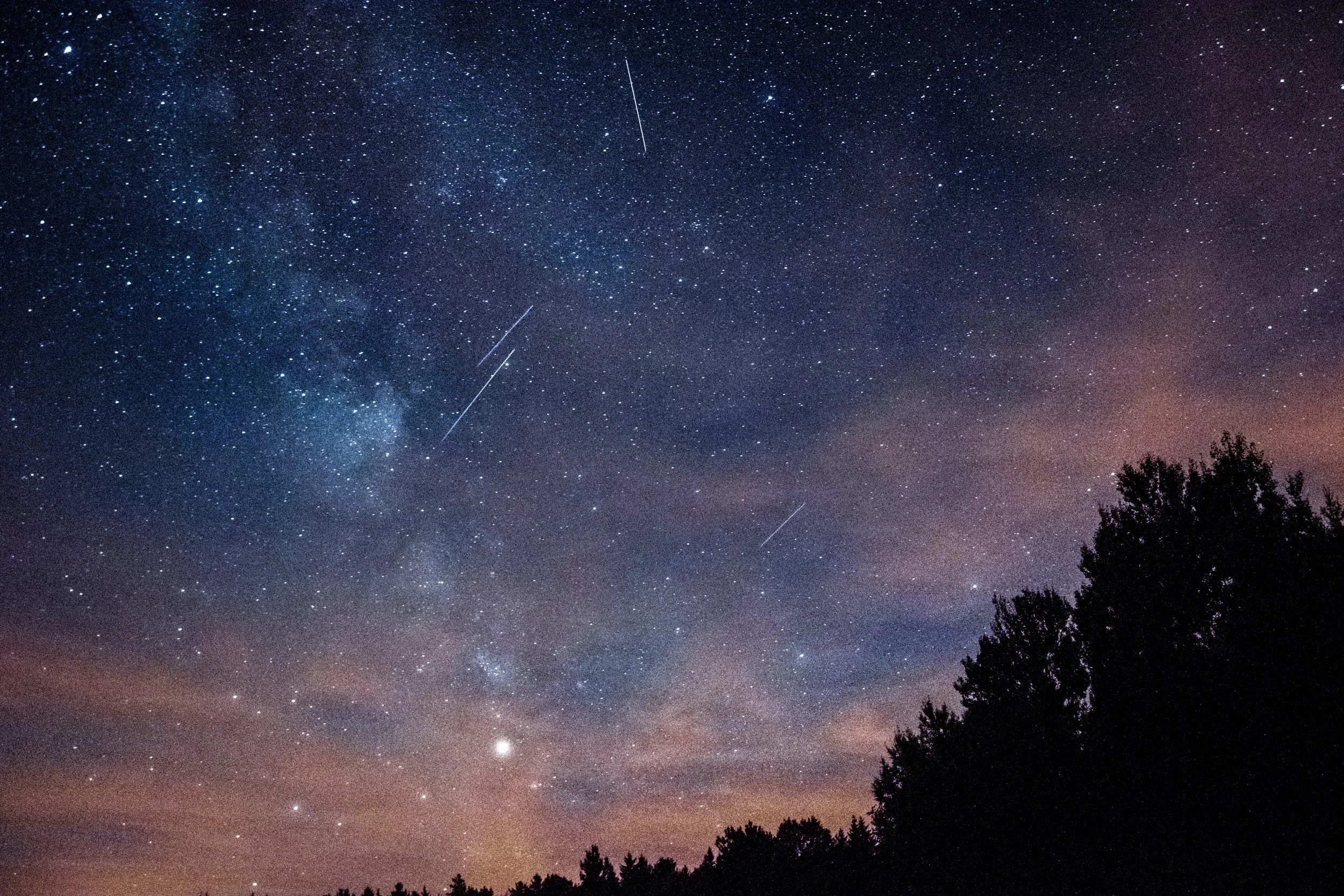
As July draws to a close, the summer sky settles into its finest form. The Milky Way arches high overhead, warm evenings invite longer observing sessions, and the rich star fields of our own galaxy provide endless opportunities for exploration. Whether you're discovering the night sky for the first time or revisiting familiar favourites, July offers some of the year's most rewarding nights beneath the stars.
