

What’s in the Sky - May 2026 (Victoria, B.C.)
May brings longer days and shorter nights to southern Vancouver Island, but it remains a rewarding month for those willing to stay up late or rise early. As spring deepens, the sky shifts firmly into “galaxy season,” while the first clear signs of summer—most notably the return of the Milky Way—begin to emerge in the pre-dawn hours. Although there are fewer headline-grabbing events than in April, May offers excellent conditions for planetary viewing and deep-sky exploration.
A Quiet Month for Meteors
Unlike April, May does not feature a major, reliable meteor shower. While minor showers such as the Eta Aquariids occur in early May, they strongly favor observers in the Southern Hemisphere and tropical latitudes.
From Victoria, the radiant remains low on the horizon, meaning meteor rates will be modest—often only a few meteors per hour under ideal conditions. Observers who do wish to try should look toward the eastern sky in the hour before dawn during the first week of May.
Planetary Viewing
Jupiter Continues to Shine
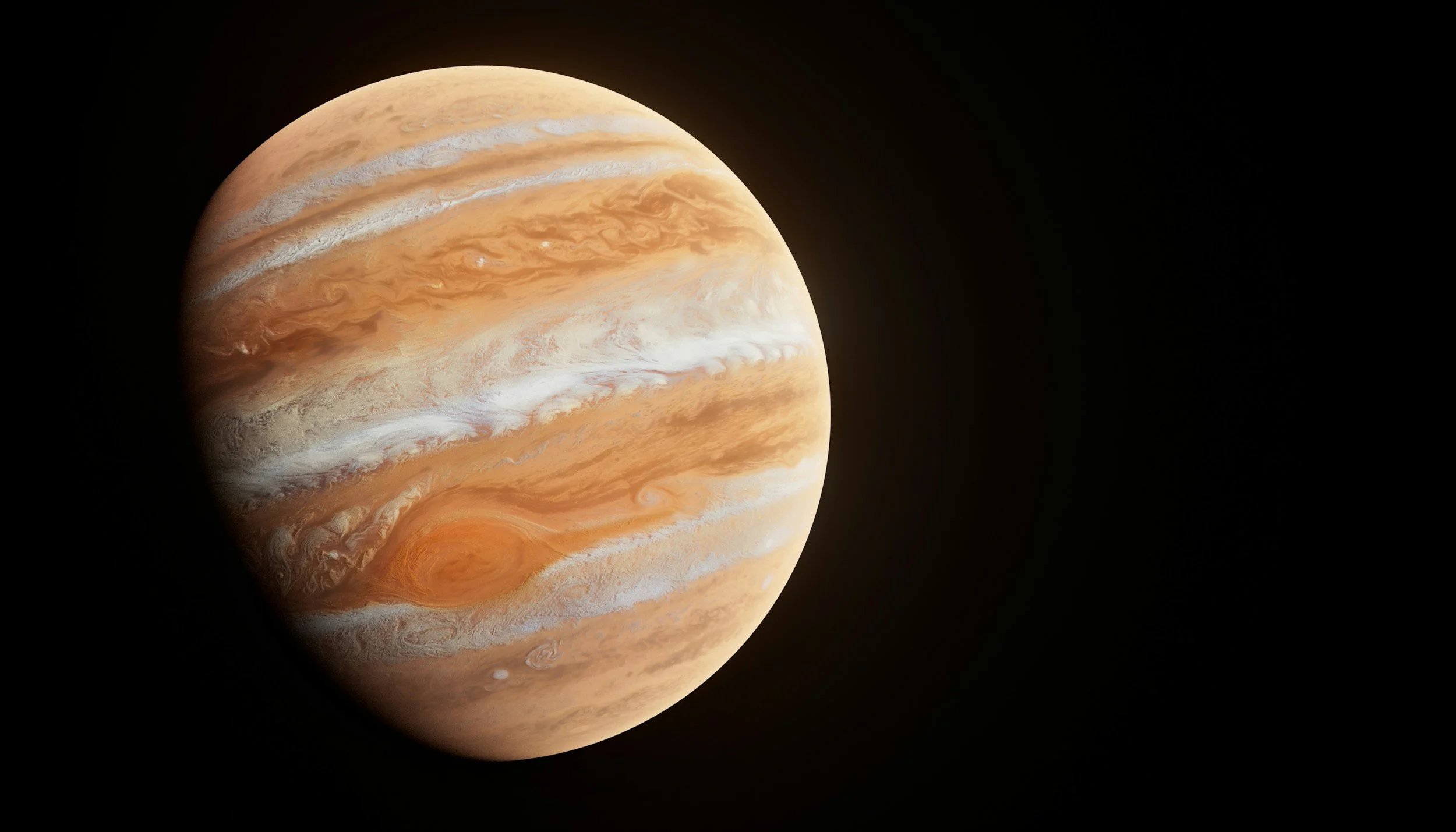
Jupiter remains a prominent feature of the evening sky in early May, though it begins to drift closer to the western horizon as the month progresses.
Early in the month, it is still well placed for observing after sunset. As May continues, the viewing window gradually shortens, making earlier evening sessions more important.
Through a telescope, Jupiter continues to offer:
Distinct cloud bands
The four Galilean moons
Occasional shadow transits
It remains the most accessible and visually rewarding planet for observers this month.
Venus Dominates the Evening Twilight
Venus stands out brilliantly in the western sky after sunset, firmly established as the “Evening Star.” It is one of the easiest objects to identify, even for first-time observers.
Look for it:
Low in the western sky
About 30 to 60 minutes after sunset
Its brightness allows it to shine through twilight, making it an excellent target for casual viewing and photography.
Moonlight and Observing Conditions
Moon phases once again play a crucial role in planning observations.
The darkest skies of the month occur approximately between:
May 8–16
This period provides the best opportunity to observe faint deep-sky objects such as galaxies and globular clusters.
As the month progresses, increasing twilight and shorter nights begin to limit observing time, particularly for deep-sky enthusiasts.
Peak Galaxy Season
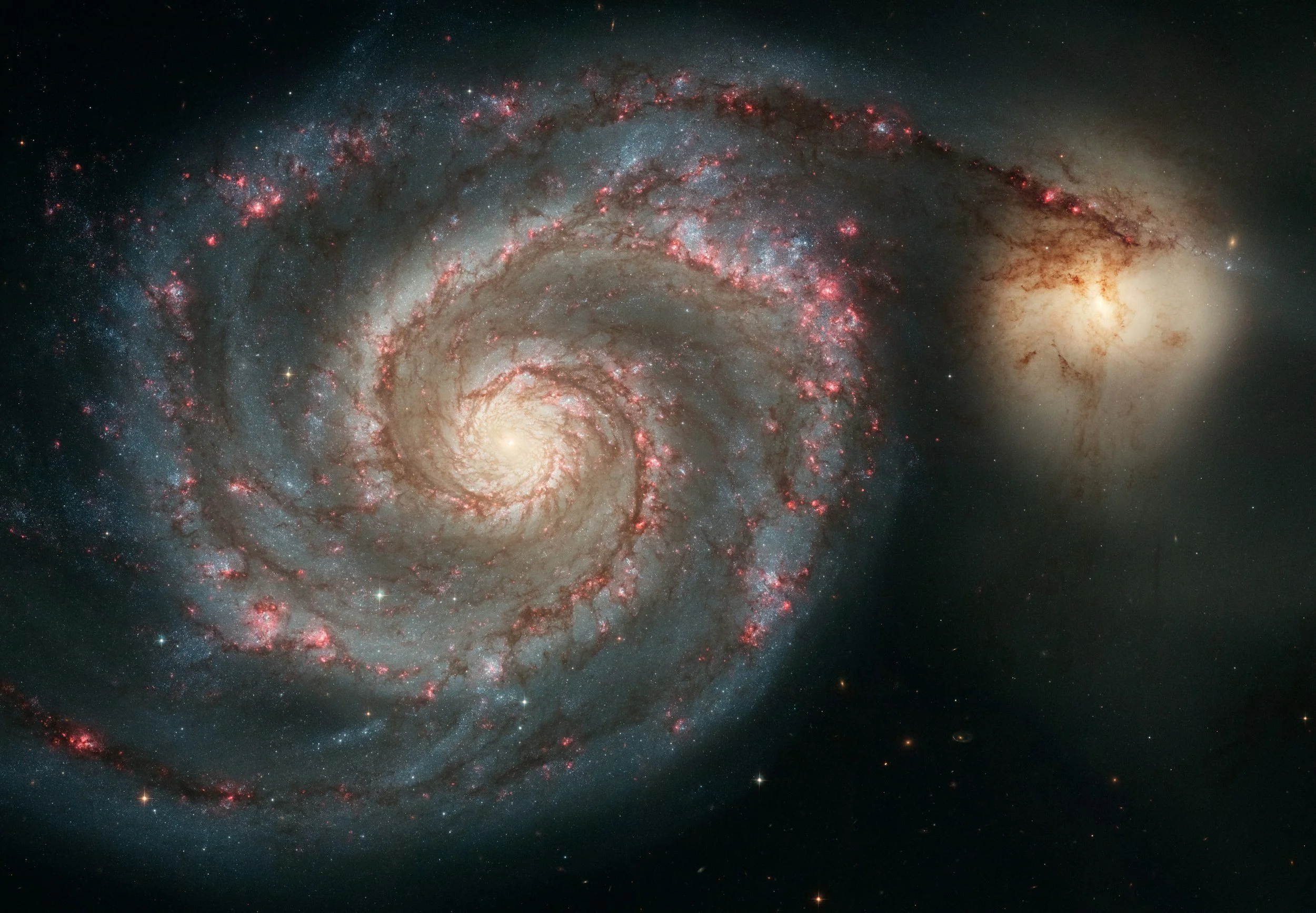
May is one of the best months of the year for observing galaxies from mid-northern latitudes. With the constellations of Virgo, Coma Berenices, and Ursa Major high in the sky during the evening, observers have access to a vast number of distant galaxies.
Notable targets include:
The Virgo Cluster, a dense region containing thousands of galaxies
The galaxy pair M81 and M82 in Ursa Major
The Whirlpool Galaxy (M51), a classic spiral galaxy visible in modest telescopes
For observers with darker skies and larger instruments, this is an ideal time to explore the large-scale structure of the universe.
The Return of the Milky Way
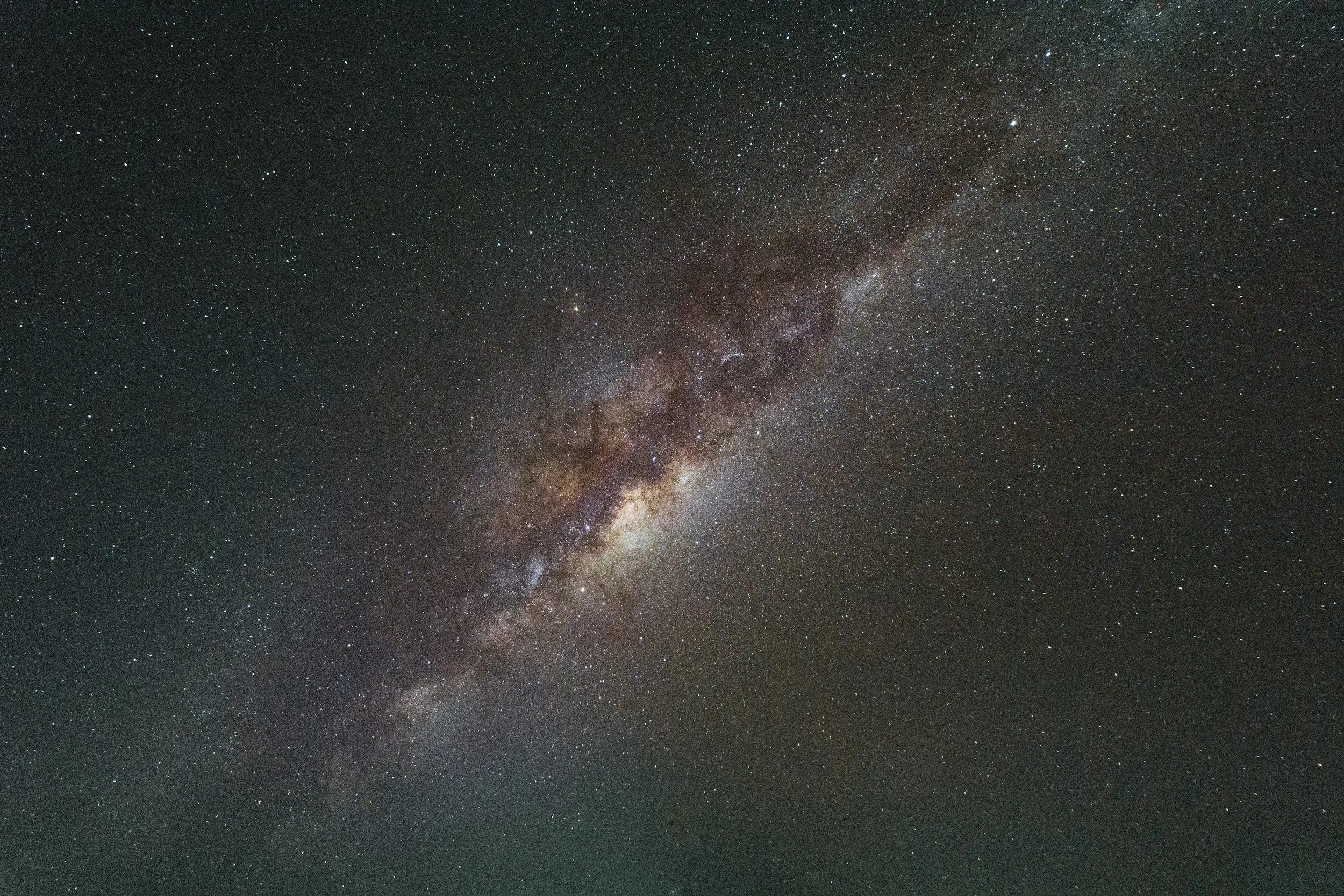
By mid to late May, the summer Milky Way begins to rise in the early morning hours. While it is not yet visible in the evening, dedicated observers who stay up late—or wake early—can catch its first appearance stretching across the southeastern sky before dawn.
This marks the transition away from galaxy-dominated spring skies toward the rich star fields and nebulae of summer.
Final Thoughts
May may lack a major meteor shower, but it more than compensates with excellent galaxy observing and strong planetary views. It is a month that rewards patience and planning, offering a quieter but deeply satisfying observing experience.
As the nights grow shorter and the air warms, May invites observers to slow down, explore the deep sky, and anticipate the return of the Milky Way in the months ahead.
