
What’s in the Sky — August 2026 | Victoria, B.C.
August is one of the finest months of the year for stargazing in Victoria. The nights continue to lengthen, temperatures remain comfortable, and the summer Milky Way is perfectly placed for evening observing. Best of all, August brings the year's most popular meteor shower—the Perseids—making this an excellent month for both seasoned astronomers and first-time observers.
The Milky Way and the Perseids
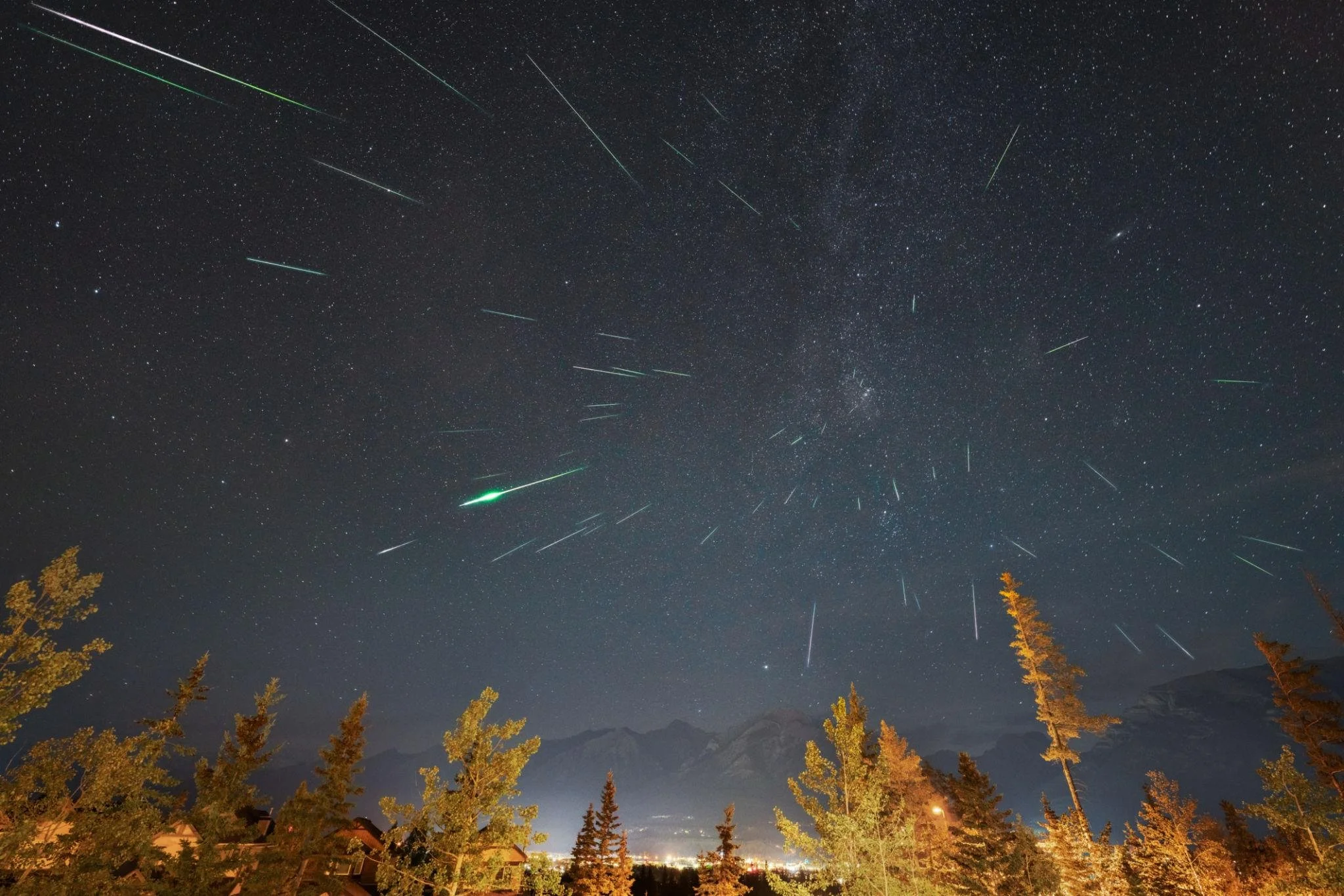
Throughout the month, the Milky Way stretches high across the sky after darkness falls, running from the northeastern horizon through the Summer Triangle before descending toward the southern horizon. Under dark skies away from city lights, its countless stars, dark dust lanes, and glowing nebulae create one of the most spectacular sights visible from Earth.
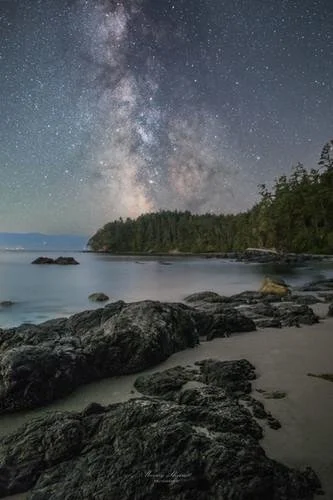
The Perseid meteor shower reaches its peak during the night of August 12–13. Produced by debris left behind by Comet Swift–Tuttle, the Perseids are famous for their bright, fast-moving meteors and occasional fireballs. What makes 2026 truly exceptional is that the peak coincides with a New Moon. With absolutely no moonlight to wash out the sky, observers under ideal dark-sky conditions may see up to 90 meteors each hour. The best viewing occurs after midnight, when the shower's radiant in the constellation Perseus climbs higher into the northeastern sky. Fortunately, the warm August weather makes this one of the most enjoyable meteor showers to watch, whether from a backyard or a favourite dark-sky location.
A Deep Partial Lunar Eclipse
As if a perfect, moonless meteor shower wasn't enough, Victoria will also be treated to a spectacular deep partial lunar eclipse on the evening of Thursday, August 27.
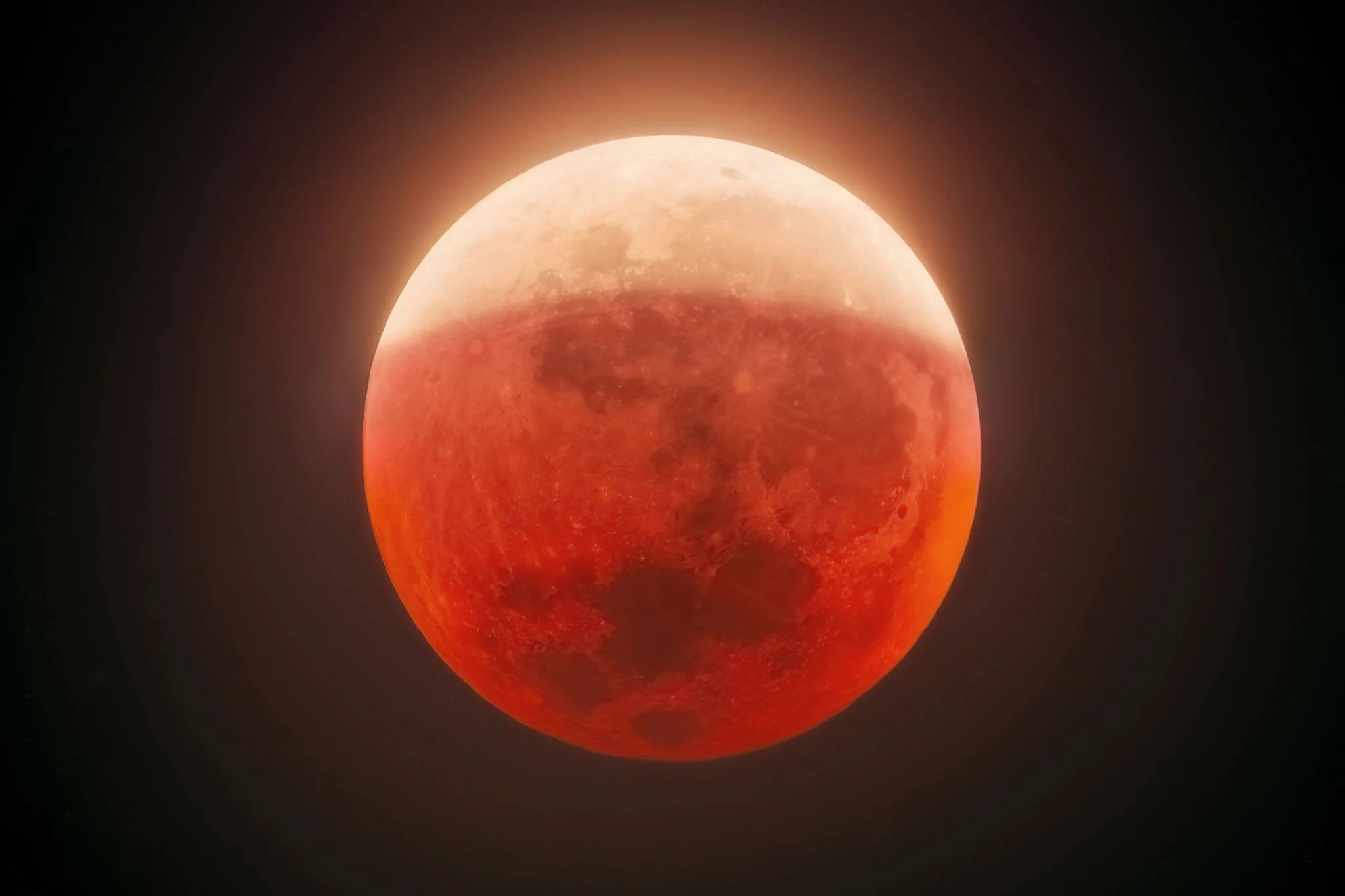
When the moon rises in the east just before 8:00 p.m. PDT, the eclipse will already be underway. At maximum eclipse (9:12 p.m.), the darkest part of Earth's shadow (the umbra) will cover a stunning 93% of the moon's surface. It will look very close to a total "blood moon," appearing as a dark, reddish-orange sliver low in the southeastern sky before the partial phase ends at 10:51 p.m.
Deep-Sky Highlights
The Summer Triangle continues to dominate the evening sky. The bright stars Vega, Deneb, and Altair provide an easy guide to the Milky Way and the surrounding constellations. Following the Milky Way southward leads observers toward some of the richest regions of our galaxy, where binoculars and small telescopes reveal dense star clouds, colourful nebulae, and numerous open star clusters.
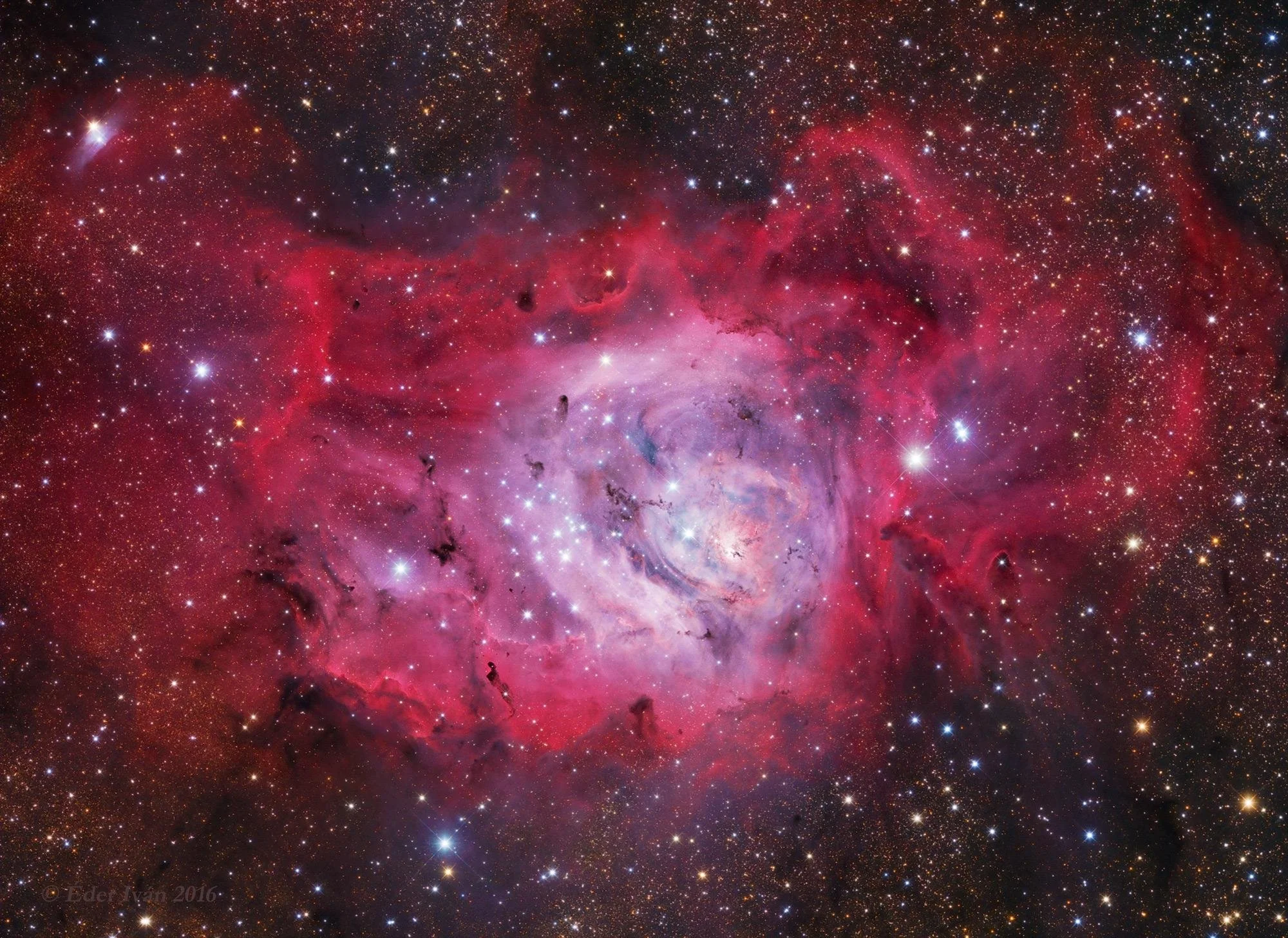
Low in the southern sky, the constellations Sagittarius and Scorpius continue to offer rewarding deep-sky targets. Although these constellations never rise especially high above Victoria's southern horizon, they contain several of the summer sky's most celebrated objects. The Lagoon Nebula (M8), Trifid Nebula (M20), and Eagle Nebula (M16) are all excellent targets for observers with a clear southern horizon and steady atmospheric conditions.
The Return of Autumn Skies
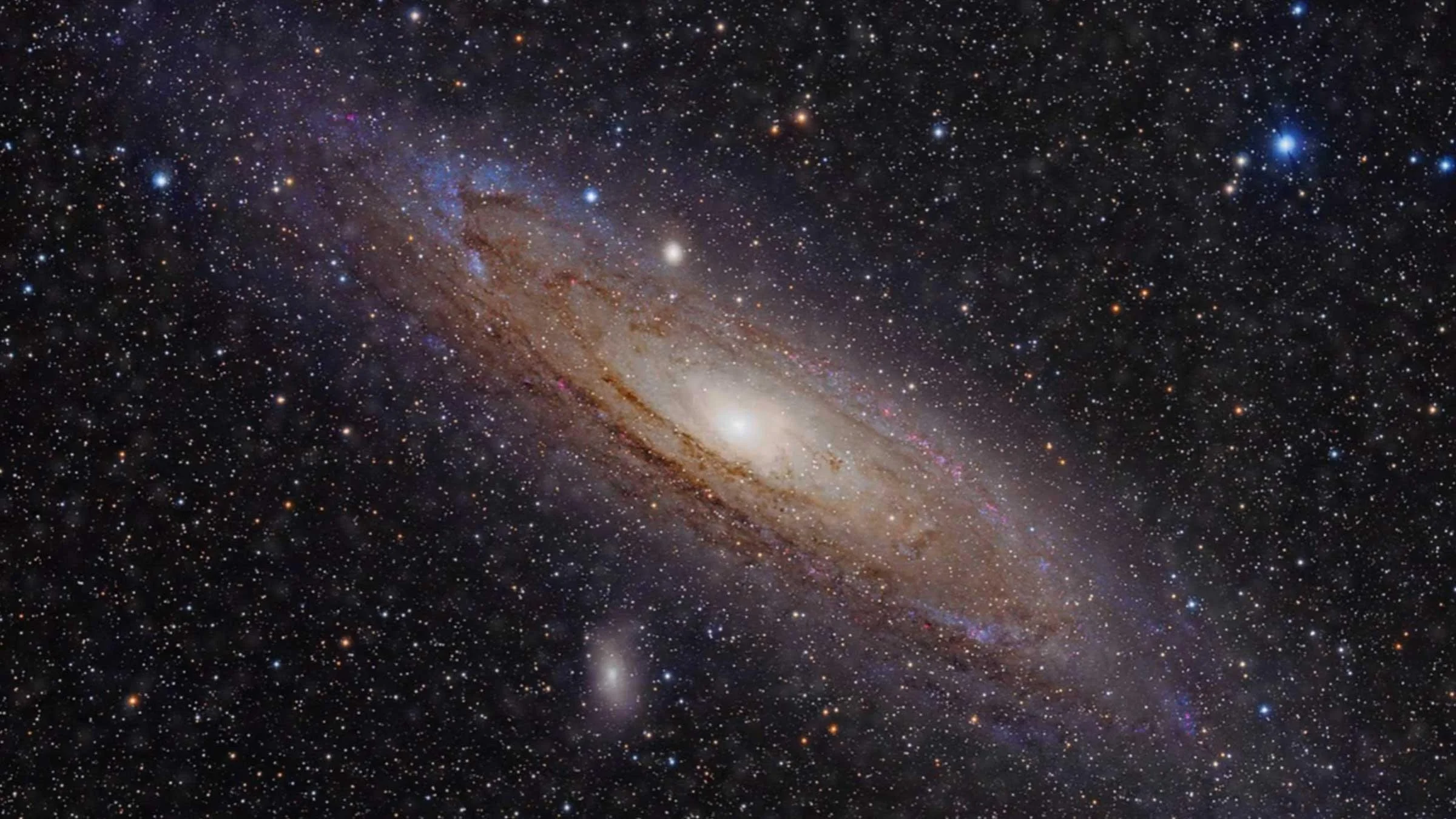
As the month progresses, another familiar autumn constellation begins making its return. The Great Square of Pegasus rises in the east during the late evening, announcing the arrival of autumn skies. Not far away lies the Andromeda Galaxy (M31), the most distant object visible to the unaided eye. Through binoculars it appears as a soft, elongated glow, while larger telescopes begin to reveal its bright central region and hints of its immense spiral structure.
By the end of August, the changing seasons become increasingly apparent. The nights arrive earlier, mornings grow cooler, and the first signs of autumn begin appearing overhead. Even as the Milky Way continues to dominate the sky, familiar autumn constellations slowly climb higher each night, marking the transition into a new observing season.
Whether you're lying back to watch a perfectly moonless Perseid meteor shower, watching Earth's shadow swallow the moon, exploring the star clouds of the Milky Way, or searching for the distant Andromeda Galaxy, August 2026 offers some of the most memorable nights of the decade for astronomy. With comfortable temperatures, incredible celestial events, and an abundance of deep-sky treasures, it is a month well worth spending under the stars.
