

What’s in the Sky — September 2026 | Victoria B.C.
The Summer Milky Way Begins to Fade
September brings a noticeable change to the night sky over Victoria. The days are becoming shorter, the evenings cooler, and the first signs of autumn begin appearing overhead. By the end of the month, darkness has returned to a much more comfortable time of evening, making September an excellent month to get back into regular stargazing after the long, bright nights of summer.
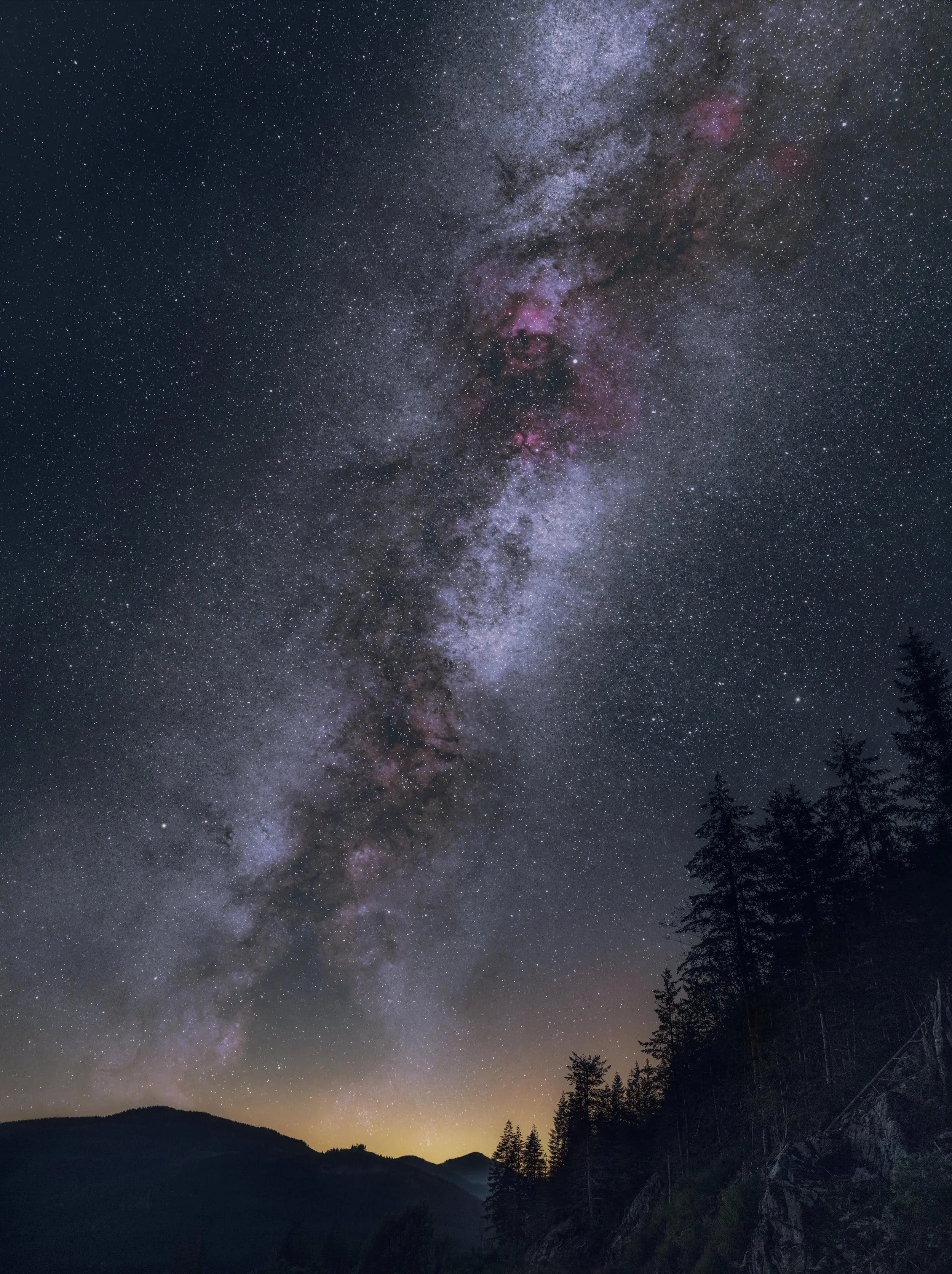
The summer Milky Way is still prominent in the evening sky, although its brightest region around Sagittarius is beginning to sink toward the southwestern horizon. Higher overhead, the Milky Way continues through Cygnus and toward Cassiopeia, creating a rich region of stars that remains visible throughout much of the night.
Finding Cassiopeia
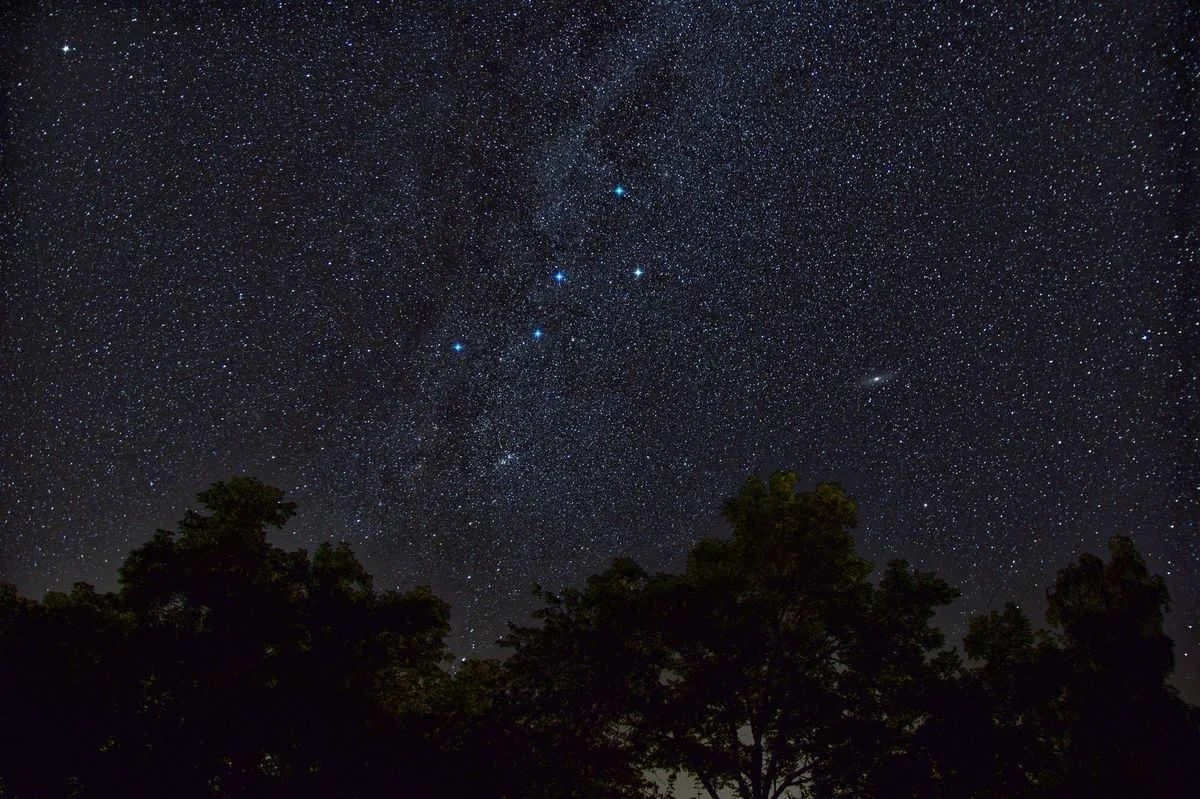
Cassiopeia is particularly easy to find during September. Its distinctive W-shaped pattern is high in the northeastern sky and makes an excellent guide for exploring the surrounding Milky Way. From a dark location, binoculars pointed toward this region reveal countless stars and open clusters scattered along the plane of our galaxy.
September is also an excellent month for planetary observing, with Saturn becoming one of the most prominent planets in the night sky.
Saturn Takes Centre Stage
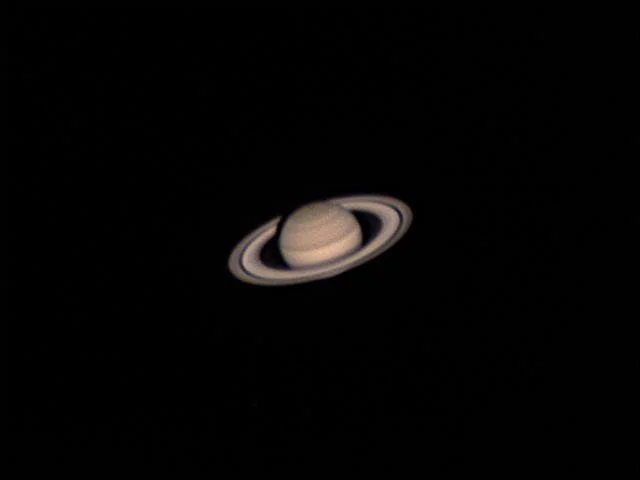
Saturn rises around sunset at the beginning of September and remains visible for most of the night. Its rings make it one of the most rewarding objects to view through a telescope, even with relatively modest equipment. By late September, Saturn is well positioned for evening observing, making this an excellent time to introduce someone to telescope astronomy.
Neptune also reaches opposition in September, bringing the distant ice giant to its best observing position of the year. It remains a challenging target because of its faintness, but a telescope can reveal its tiny blue disk. Uranus is also visible later in the evening, providing another opportunity for observers equipped with binoculars or a telescope.
Venus Shines in the Evening
Venus remains brilliant in the western sky after sunset during the first half of the month.
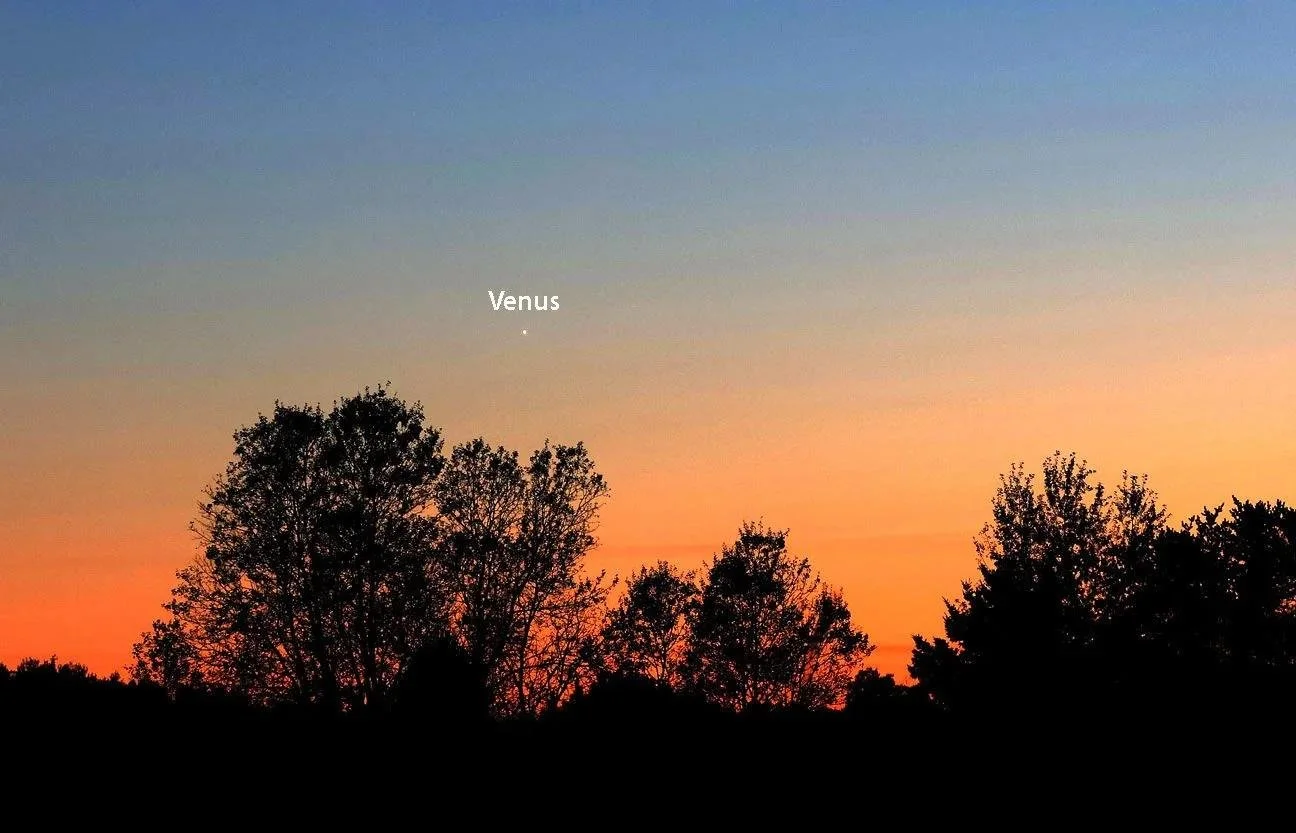
Look for it low in the western sky shortly after sunset. Venus reaches its greatest brightness around the September equinox, making it particularly striking against the fading twilight. As the month progresses, however, it becomes increasingly difficult to see from Victoria as it sinks closer to the Sun in the sky.
The Autumnal Equinox
The autumnal equinox arrives on September 22 at 5:05 p.m. PDT in Victoria, marking the astronomical beginning of autumn in the Northern Hemisphere. On the equinox, the Sun rises almost exactly due east and sets almost exactly due west. From this point onward, the nights continue to grow longer as we move toward winter.
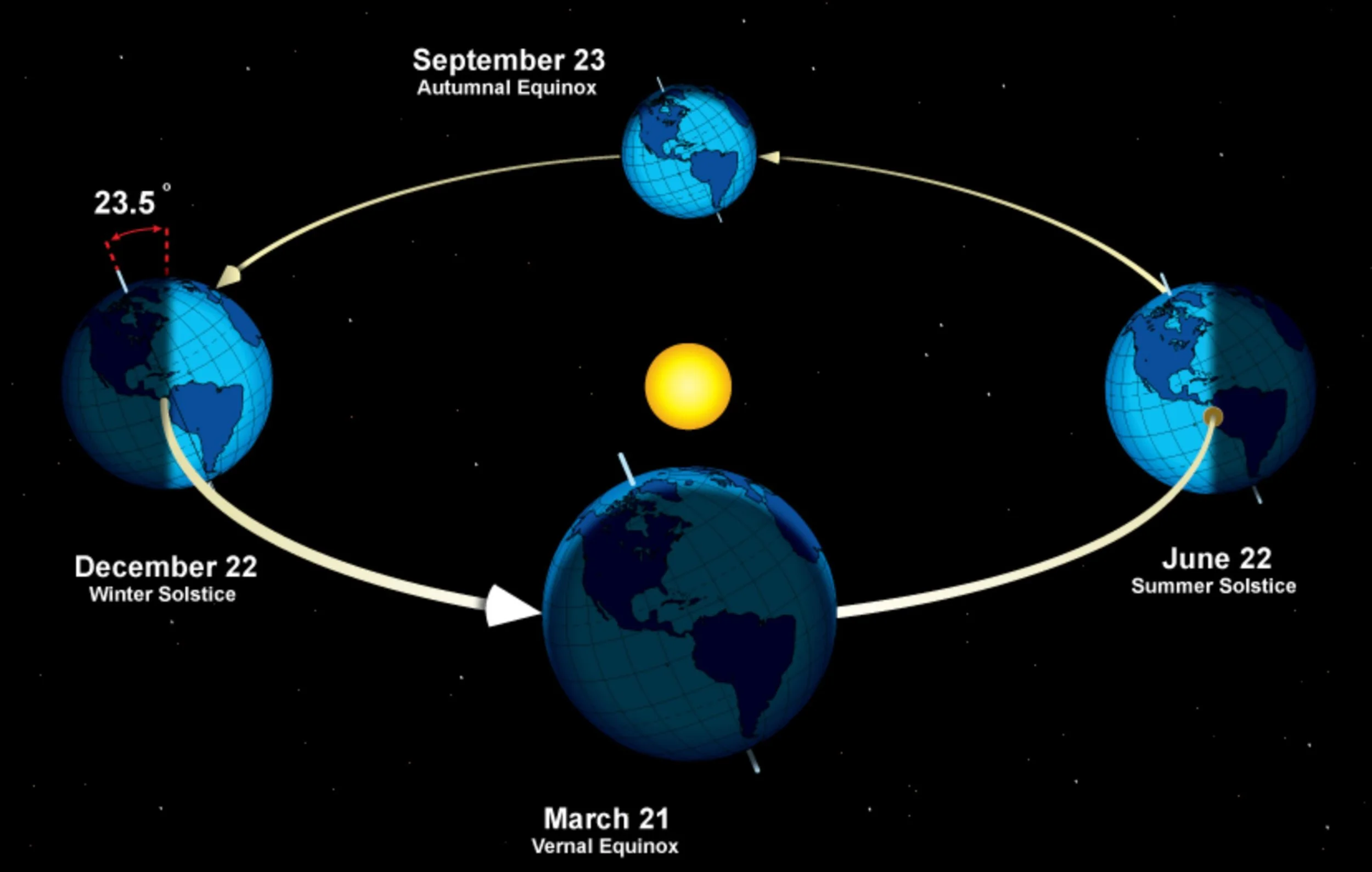
The equinox also provides a good opportunity to look for the zodiacal light before dawn. Under very dark skies, this extremely faint cone of light can sometimes be seen rising from the eastern horizon, produced by sunlight scattered from dust throughout the Solar System. The weeks around the equinox are particularly favourable for viewing it from the Northern Hemisphere.
The Harvest Moon
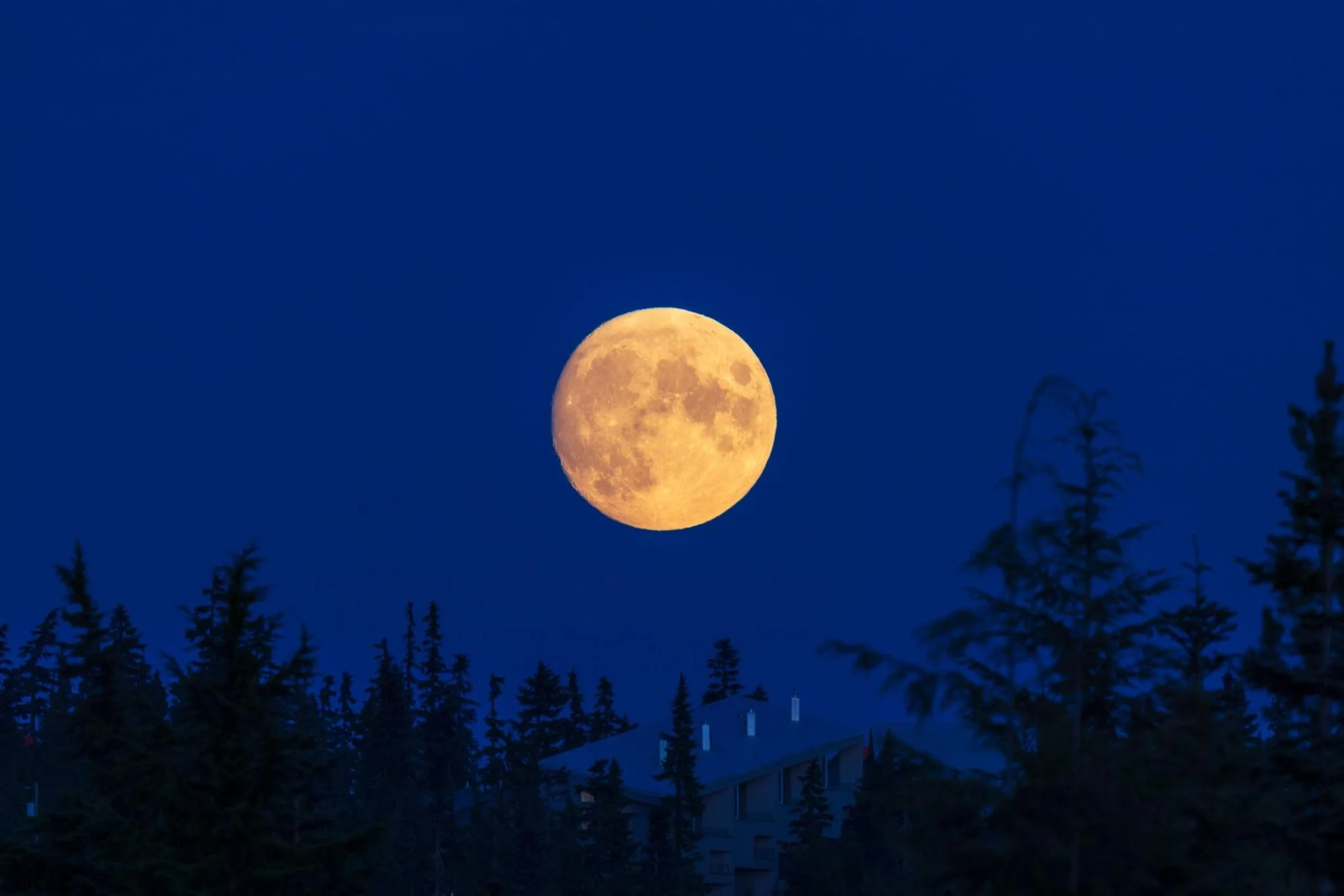
September's full Moon is the Harvest Moon, reaching full phase on September 26. Because it occurs close to the autumnal equinox, the Harvest Moon is traditionally associated with the beginning of the autumn harvest. Its bright light will wash out many faint stars and deep-sky objects, but it provides an excellent opportunity for lunar observing and photography.
For the darkest skies, the period surrounding the September 11 New Moon provides the best opportunity to explore faint objects. As the month progresses, the increasing length of the night makes September an especially satisfying time to return to deep-sky observing.
Looking Ahead to Autumn
September is a month of transition. The brilliant Milky Way of summer is still visible, but the constellations of autumn are taking their place in the eastern sky. Saturn is becoming a major evening attraction, Venus shines brightly in the west, and the Harvest Moon lights up the end of the month.
As the evenings grow longer and the air begins to cool, September offers a final opportunity to enjoy the summer sky while welcoming the return of the darker nights of autumn.
