
Exploring the Universe one post at a time
Each edition brings together the latest news from the world of space exploration, interesting research highlights, upcoming celestial events, and a curated selection of cool websites, tools, and resources for observers and enthusiasts alike.
Whether you’re looking for quick updates to stay in the loop, deeper reads to spark curiosity, or practical links to enhance your observing and learning, Draco’s Digest is designed to be a fun and informative companion throughout the week.
Settle in, explore something new, and keep looking up.
The total eclipse experience
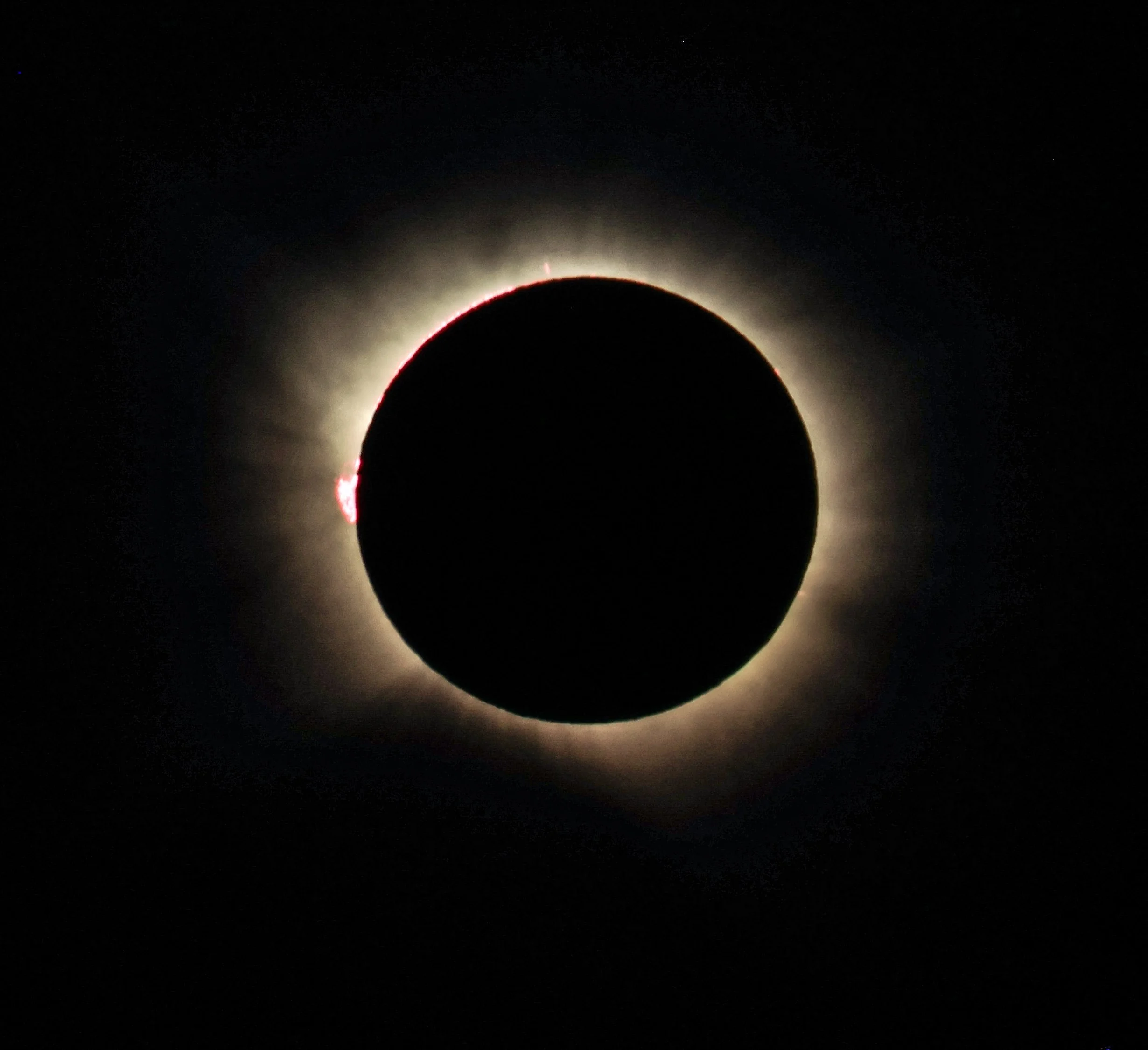
Total solar eclipses are magical events not only because of the spectacle in the sky but also because of the effect on the surroundings here on earth – the way the air moves, the quality of the dimming light, and the reaction of the people observing with you.
Read an account of the first eclipse in Europe this century from a beach in Spain
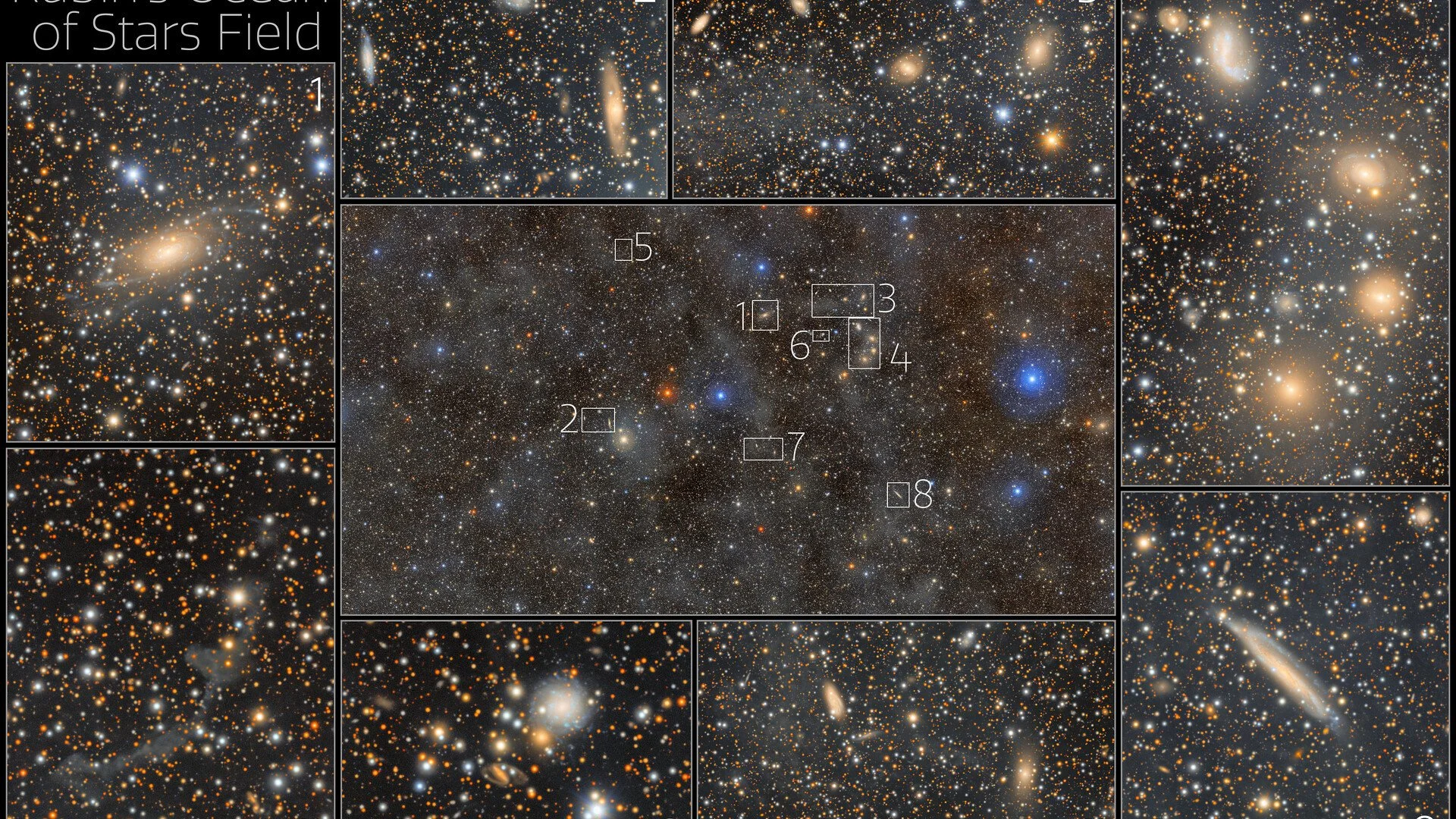
Vera C. Rubin Observatory Begins Capturing the Greatest Cosmic Movie Ever Made
The month of June ends triumphantly today with the announcement of the official start of the Legacy Survey of Space and Time (LSST). This large project will consist of surveying the entire southern sky repeatedly over the next ten years, using the world's largest digital camera behind the 8-m Simonyi Survey Telescope and the Vera C. Rubin Observatory in which it resides in Chile. The project has been long in coming, and was given a strong endorsement by the US community in its 2010 decadal survey of astronomy priorities. Since then, the project, led by the US National Science Foundation and the US Department of Energy, has opened up the survey to international collaboration, and our Canadian Astronomy Data Centre is participating in it to provide an Independent Data Access Centre of the co-added LSST data products to be released every year. As a result, dozens of Canadian astronomers get to join the larger LSST science team!
A Celestial Performance…
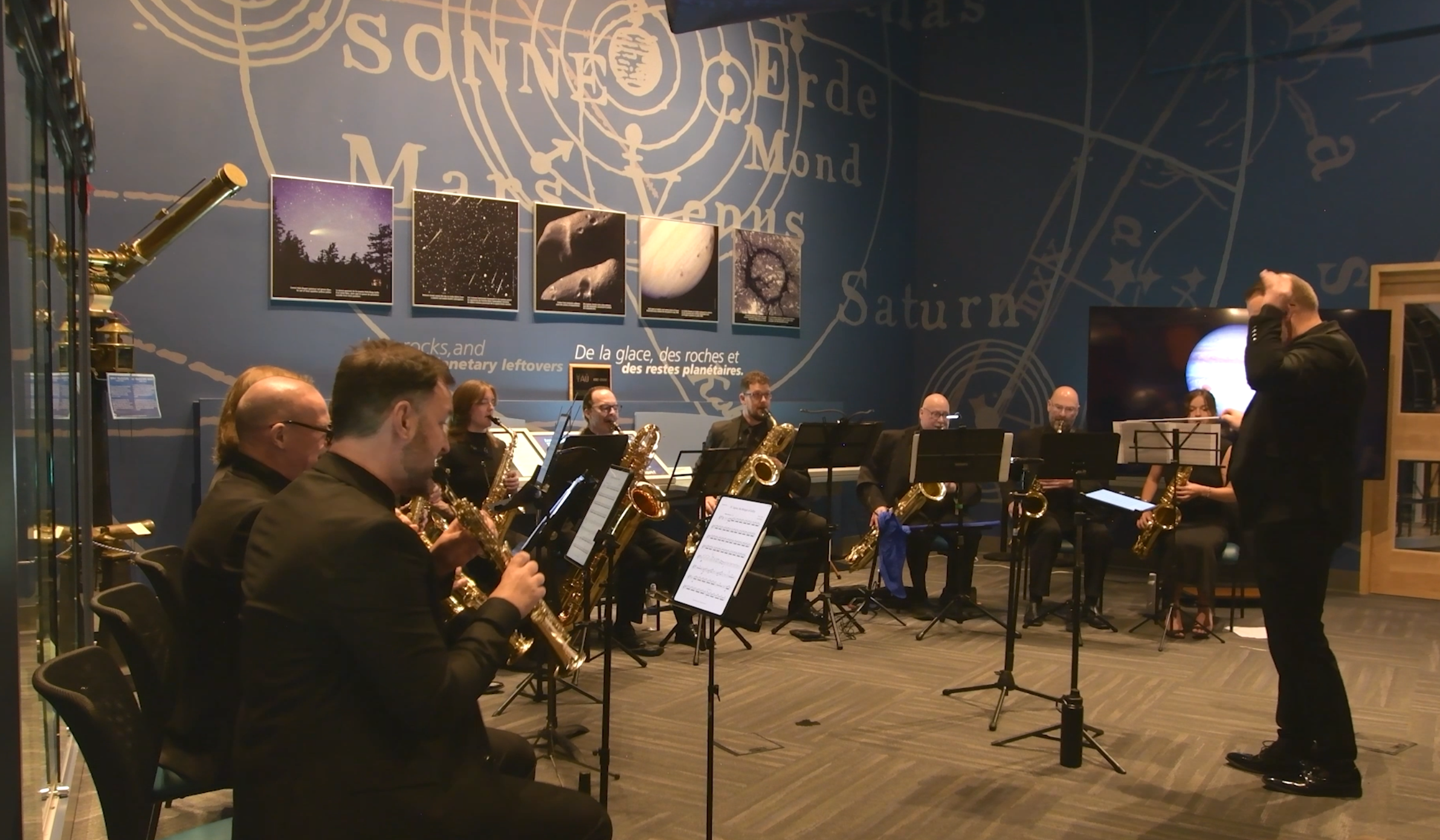
In a truly unique pairing of music and setting, the Celestial Saxophone Orchestra—the first professional group of its kind in Canada—presented Gustav Holst’s The Planets suite at the Dominion Astrophysical Observatory (DAO). Fittingly, Holst’s iconic work was first performed in the same year the DAO opened in 1918, creating a century-spanning resonance between the music and the Observatory’s own history…
Amazing New Planet Haul
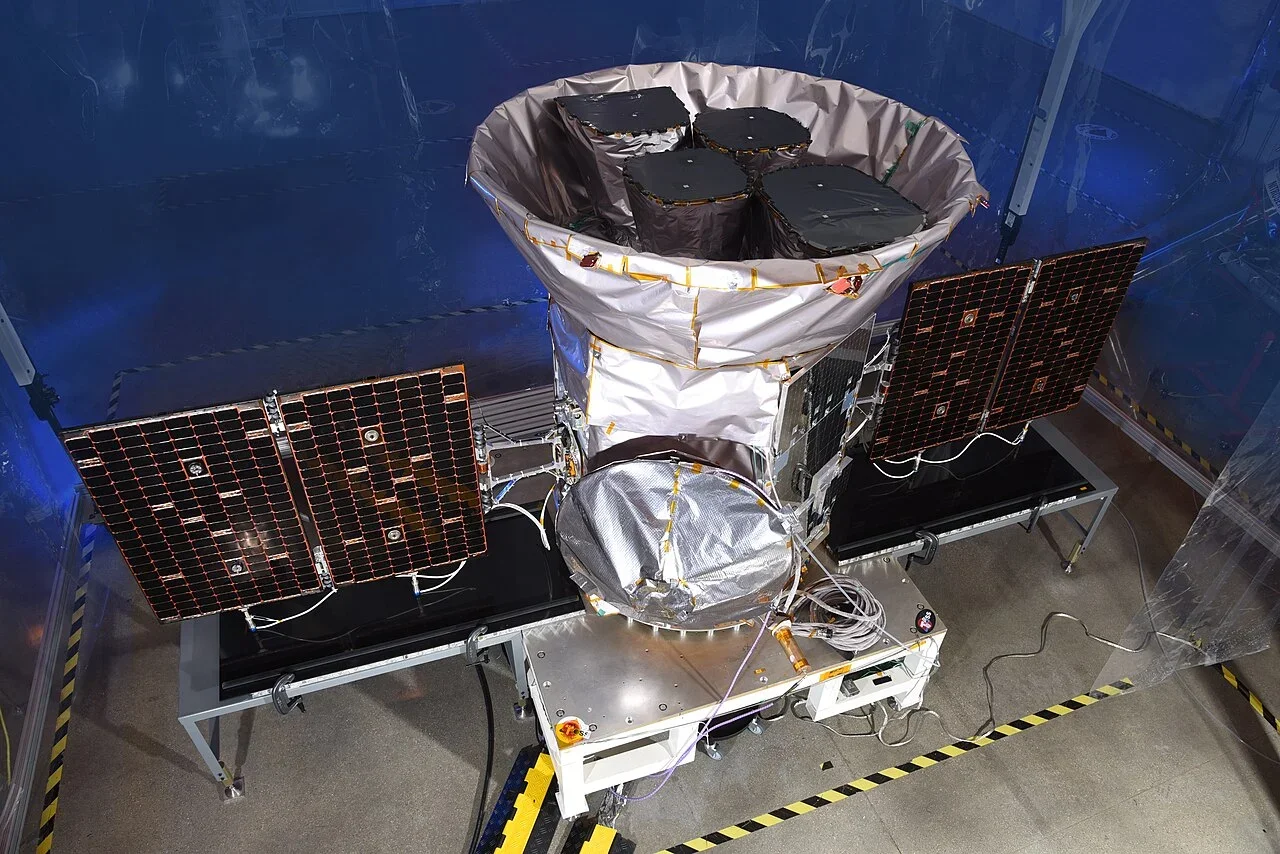
In a great leap forward in detecting (possible) exoplanets around other stars, a team of astronomers announced yesterday that they have detected 11,554 new planet candidates from data collected by NASA’s Transiting Exoplanet Survey Satellite (TESS). Previously, TESS data have been used to confirm 882 exoplanets, but also there are 7,927 candidates that have been at least provisionally integrated into NASA’s Exoplanet Archive and a further 4,787 candidates that have not been either confirmed or identified as false positives. Since TESS’ launch in 2018, it has been finding exoplanets by observing periodic dips in the brightness of distant stars that are induced as exoplanets moving along their respective orbits pass in front of the stars (from our perspective) and dim their light slightly and briefly.
Minerals in space
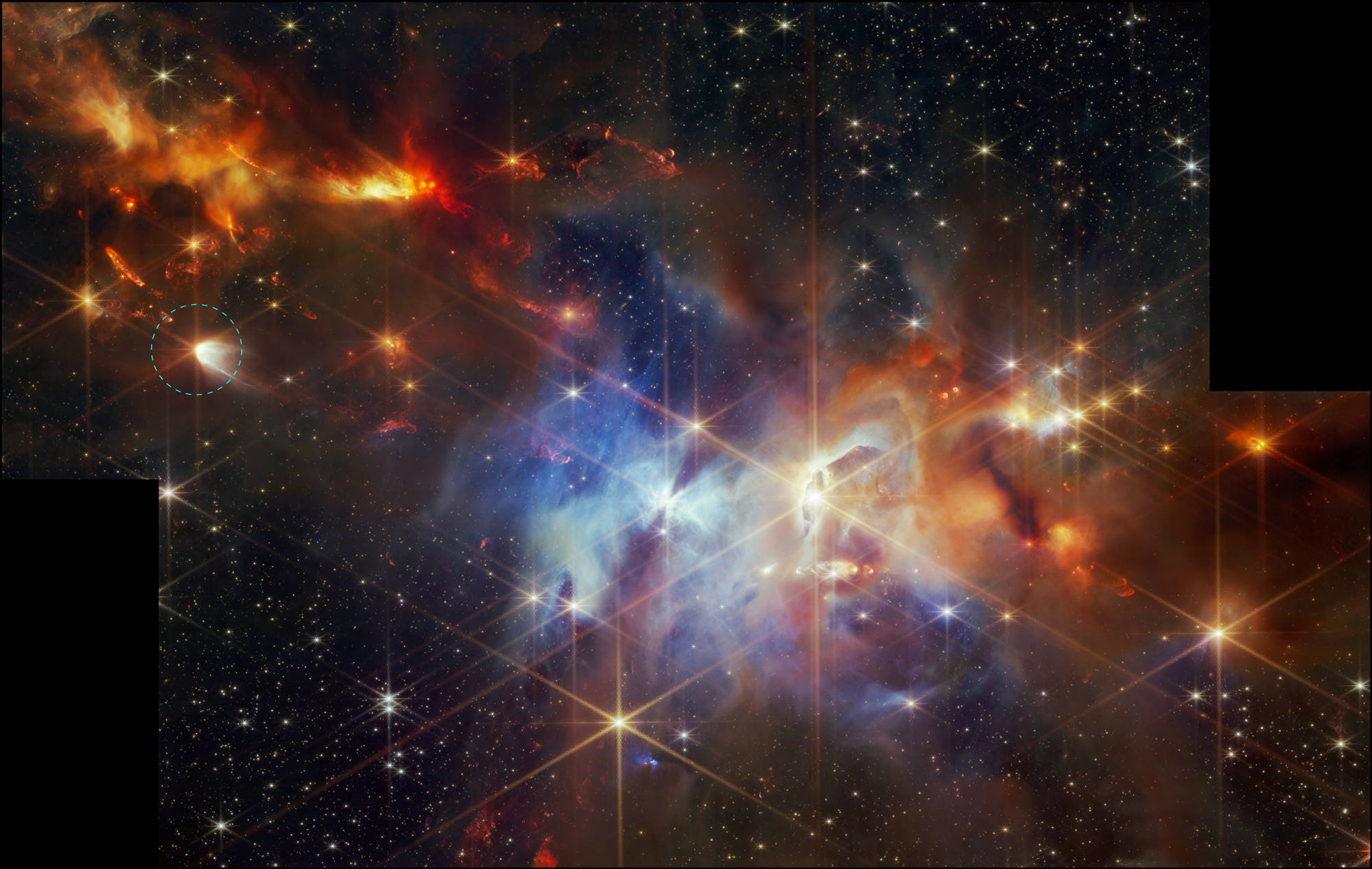
Minerals in Space!
Icy boulders from the outer solar system become comets that fall in towards the sun. One curious feature of Solar System comets is that they contain minerals that could have been only forged at high temperatures, namely silicates in crystalline form.
Dark Energy Surveys
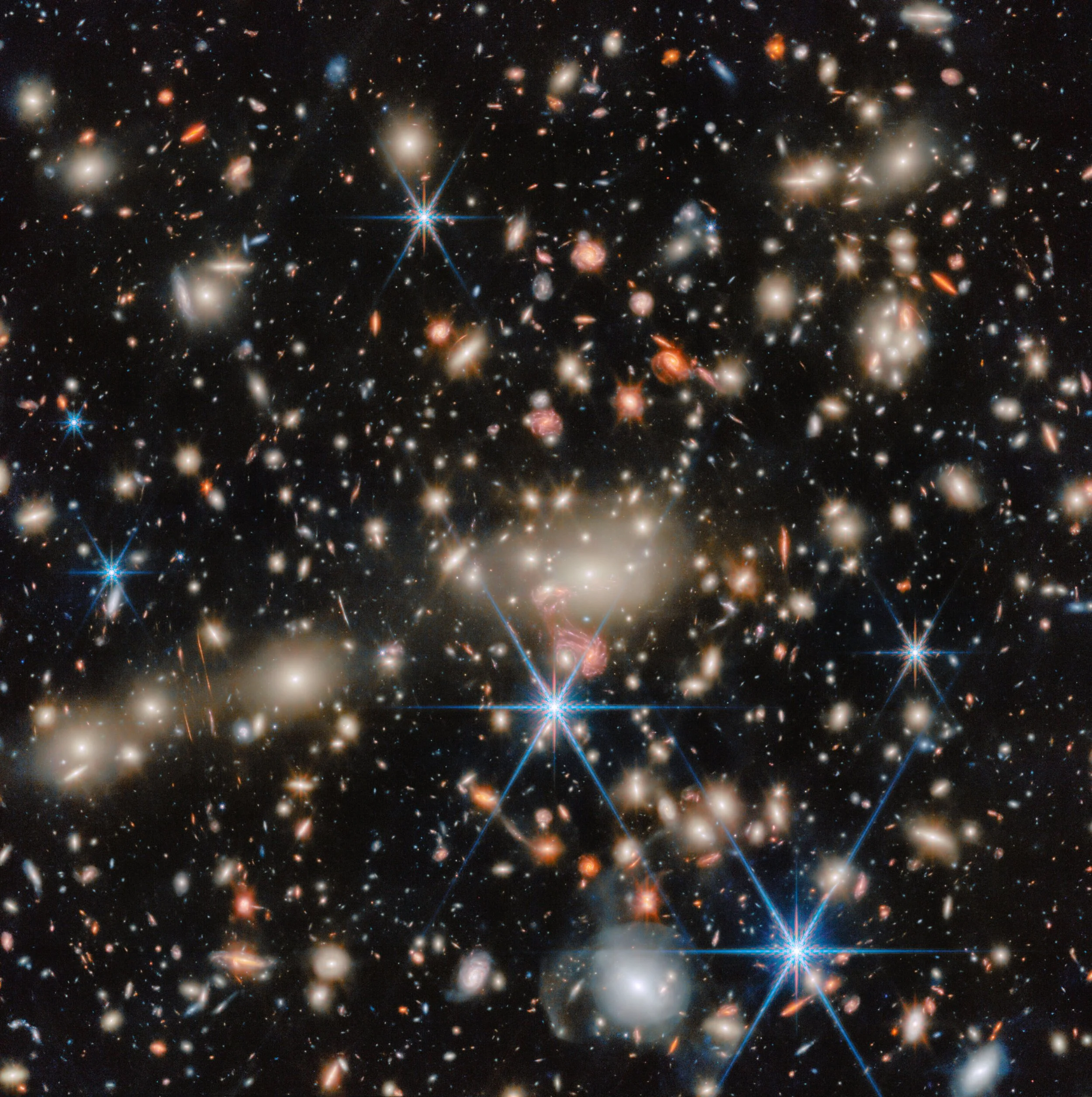
In recent years, astronomers have begun to amass huge amounts of data, an amount some could even describe as "oodles." A recent example has been the Dark Energy Survey at the Cerro Tololo Interamerican Observatory in Chile. This Survey used the Dark Energy Camera (DECam), a 507 megapixel camera, to image 669 million galaxies over 758 nights. The idea here was to provide strong statistical evidence for how the universe is evolving over time, due to the influence of dark energy, the mysterious substance that pervades the universe and is causing its expansion to accelerate.
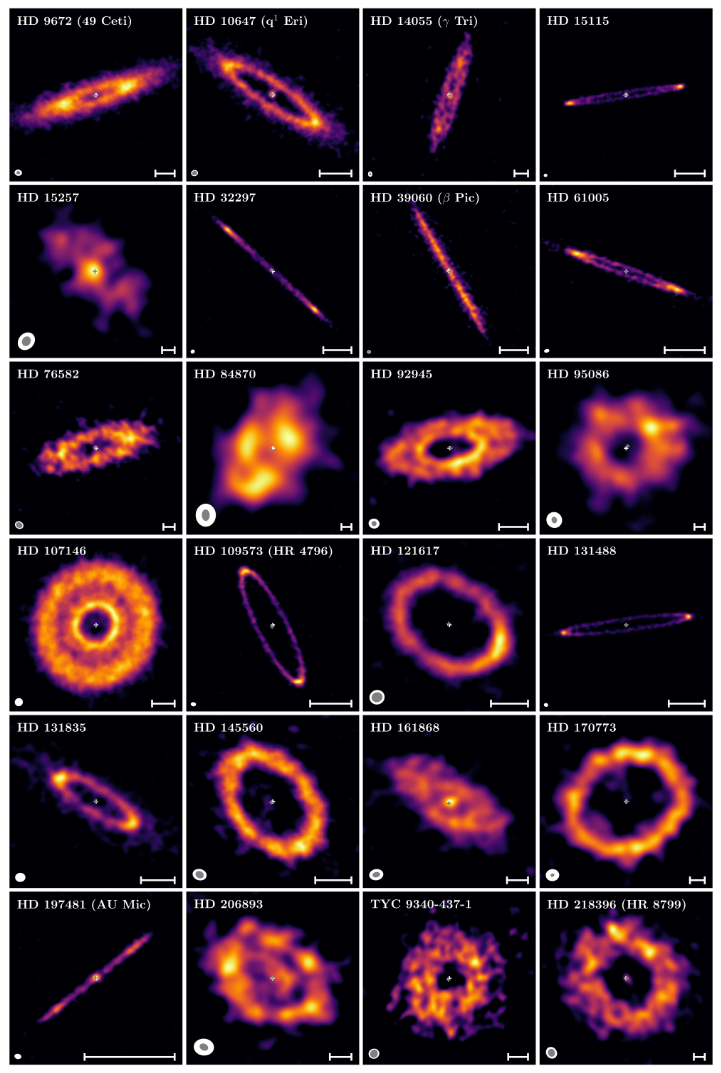
Kuiper Belts aROUND DISTANT sTARS
Kuiper Belts in Space
Beyond the orbit of Neptune lies the Kuiper Belt, a torus of (likely) millions of icy boulders orbiting the Sun at mostly between 30 and 50 times the Earth-Sun distance. These icy boulders, of which Pluto may be the largest, are considered to be leftover material from the formation of the Solar System.