

What’s Up?
The Night Sky Update
Each month brings a new set of celestial highlights for skywatchers, from bright planetary encounters and changing lunar phases to meteor showers and deep-sky observing opportunities.
In each edition of What’s Up?, we’ll guide you through the most notable sights visible in the night sky over the coming weeks, including when and where to look, what equipment (if any) you’ll need, and how observing conditions may change through the month.
Whether you’re a casual stargazer stepping outside for a quick look or a dedicated observer planning longer sessions under dark skies, this update is designed to help you make the most of the night. Clear skies and happy observing.
What’s in the Sky — September 2026 | Victoria B.C.
The Summer Milky Way Begins to Fade
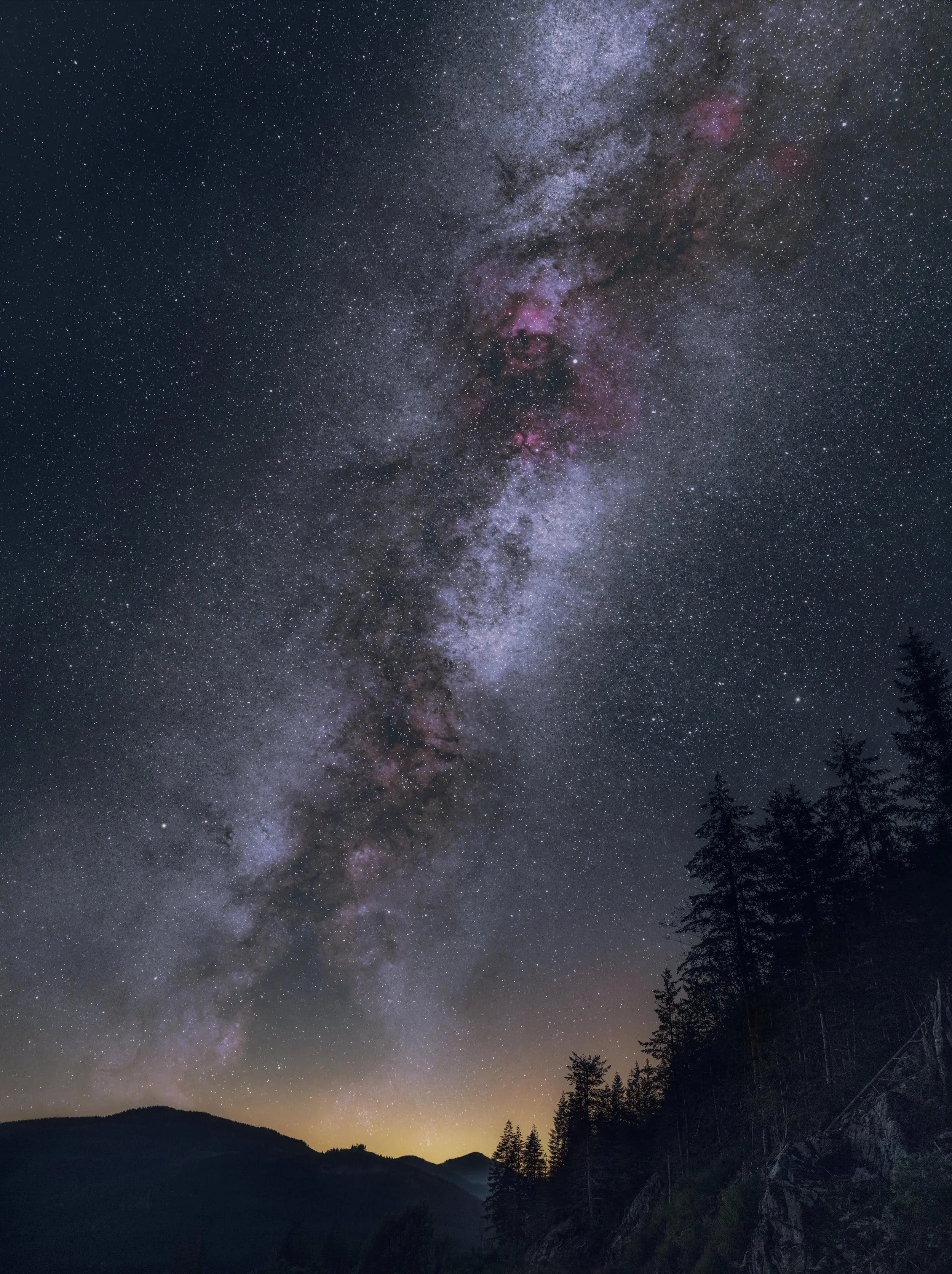
September brings a noticeable change to the night sky over Victoria. The days are becoming shorter, the evenings cooler, and the first signs of autumn begin appearing overhead. By the end of the month, darkness has returned to a much more comfortable time of evening, making September an excellent month to get back into regular stargazing after the long, bright nights of summer.
The summer Milky Way is still prominent in the evening sky, although its brightest region around Sagittarius is beginning to sink toward the southwestern horizon. Higher overhead, the Milky Way continues through Cygnus and toward Cassiopeia, creating a rich region of stars that remains visible throughout much of the night.
Finding Cassiopeia
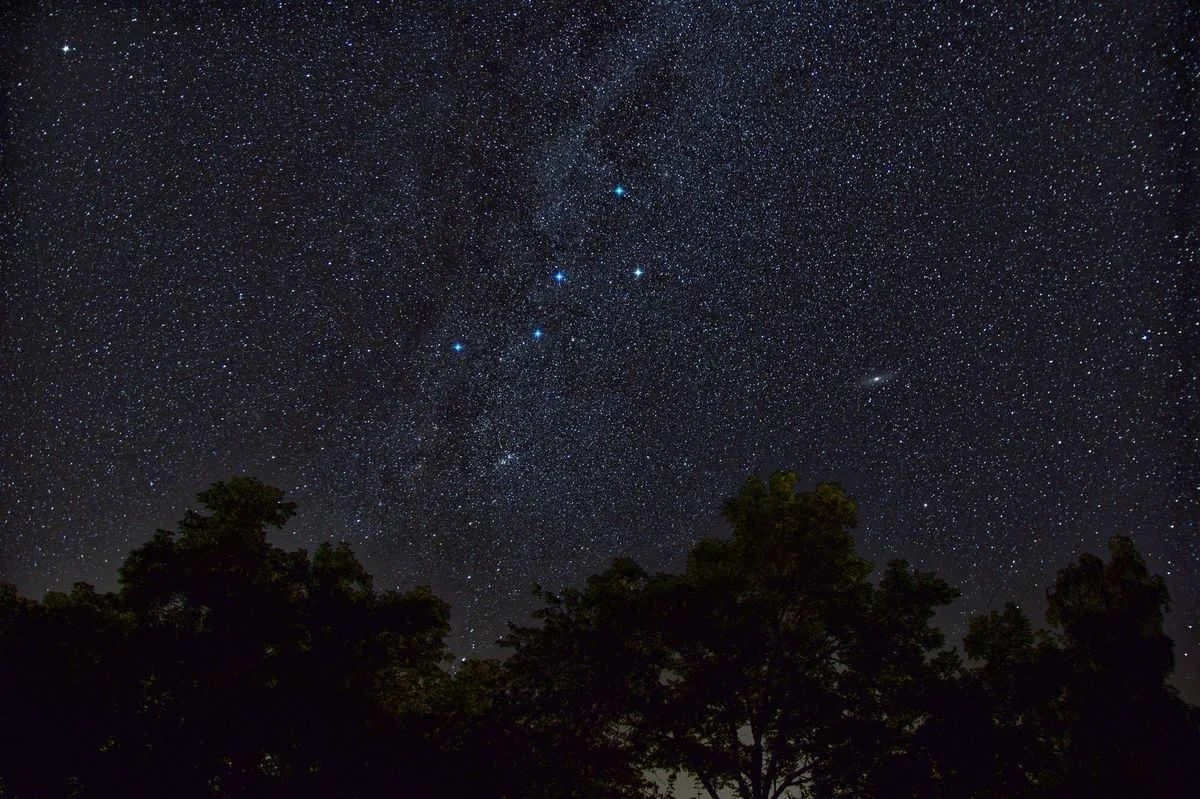
Cassiopeia is particularly easy to find during September. Its distinctive W-shaped pattern is high in the northeastern sky and makes an excellent guide for exploring the surrounding Milky Way. From a dark location, binoculars pointed toward this region reveal countless stars and open clusters scattered along the plane of our galaxy.
September is also an excellent month for planetary observing, with Saturn becoming one of the most prominent planets in the night sky.
Saturn Takes Centre Stage
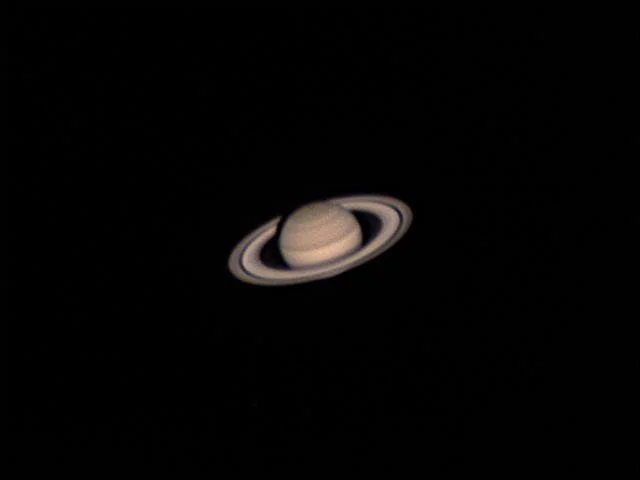
Saturn rises around sunset at the beginning of September and remains visible for most of the night. Its rings make it one of the most rewarding objects to view through a telescope, even with relatively modest equipment. By late September, Saturn is well positioned for evening observing, making this an excellent time to introduce someone to telescope astronomy.
Neptune also reaches opposition in September, bringing the distant ice giant to its best observing position of the year. It remains a challenging target because of its faintness, but a telescope can reveal its tiny blue disk. Uranus is also visible later in the evening, providing another opportunity for observers equipped with binoculars or a telescope.
Venus Shines in the Evening
Venus remains brilliant in the western sky after sunset during the first half of the month.
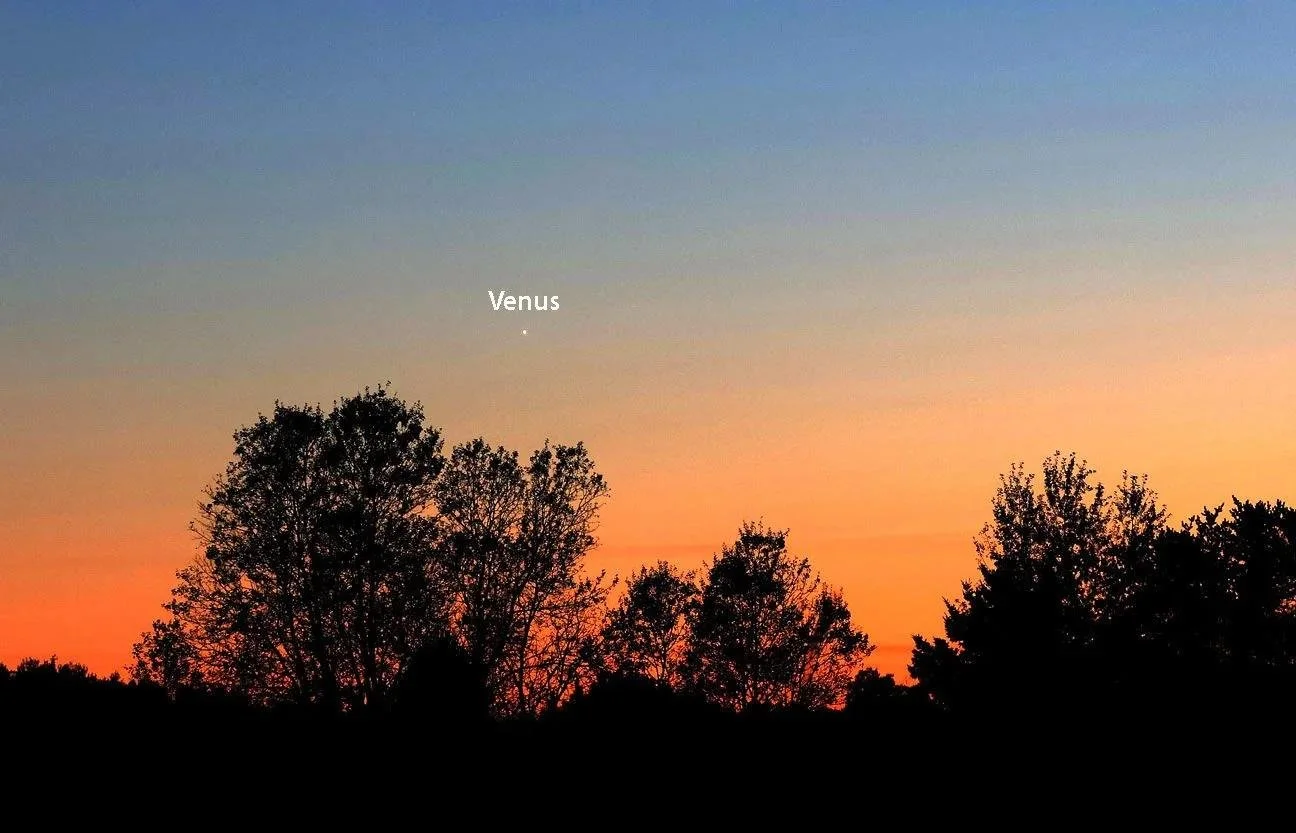
Look for it low in the western sky shortly after sunset. Venus reaches its greatest brightness around the September equinox, making it particularly striking against the fading twilight. As the month progresses, however, it becomes increasingly difficult to see from Victoria as it sinks closer to the Sun in the sky.
The Autumnal Equinox
The autumnal equinox arrives on September 22 at 5:05 p.m. PDT in Victoria, marking the astronomical beginning of autumn in the Northern Hemisphere. On the equinox, the Sun rises almost exactly due east and sets almost exactly due west. From this point onward, the nights continue to grow longer as we move toward winter.
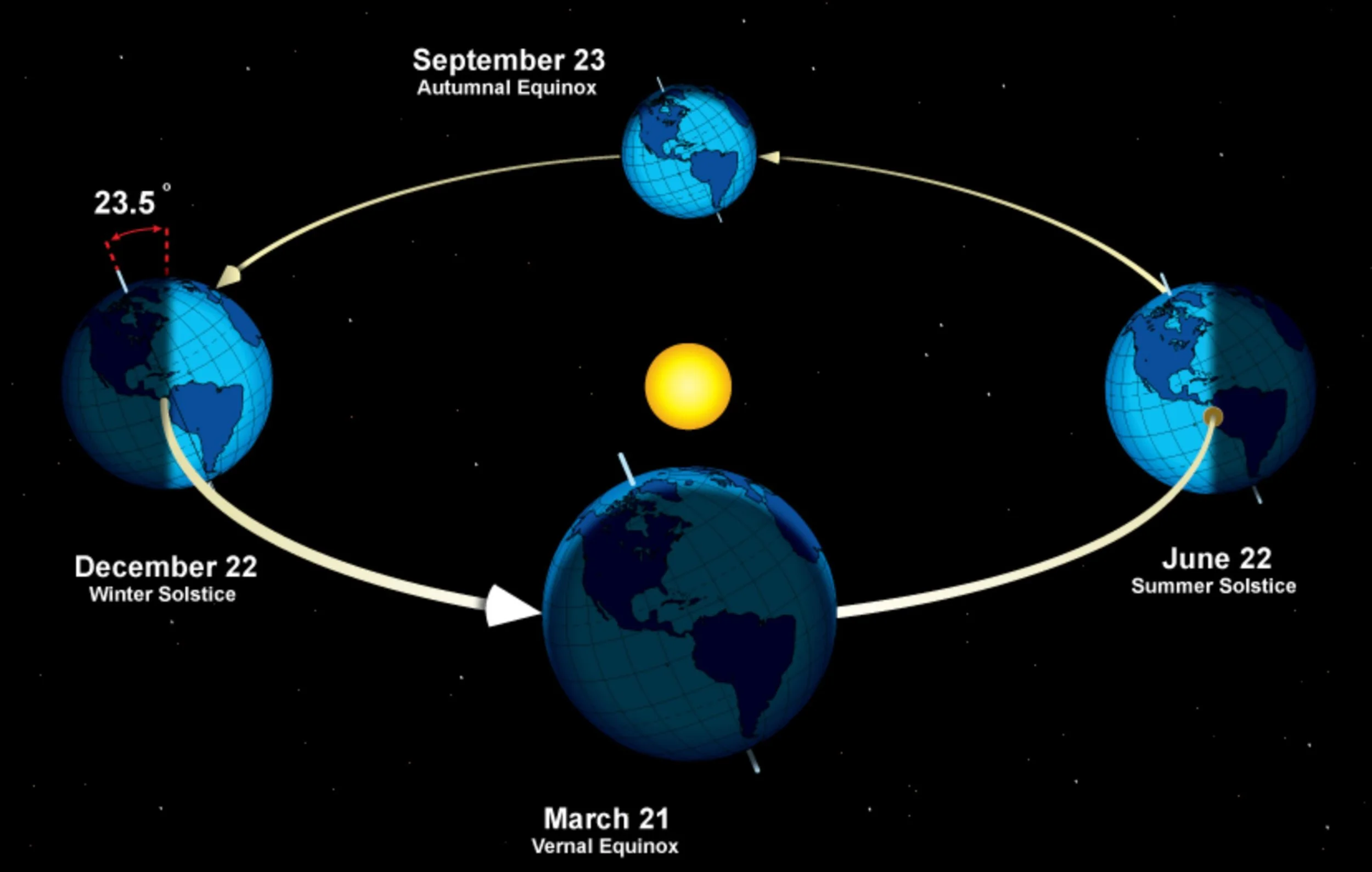
The equinox also provides a good opportunity to look for the zodiacal light before dawn. Under very dark skies, this extremely faint cone of light can sometimes be seen rising from the eastern horizon, produced by sunlight scattered from dust throughout the Solar System. The weeks around the equinox are particularly favourable for viewing it from the Northern Hemisphere.
The Harvest Moon
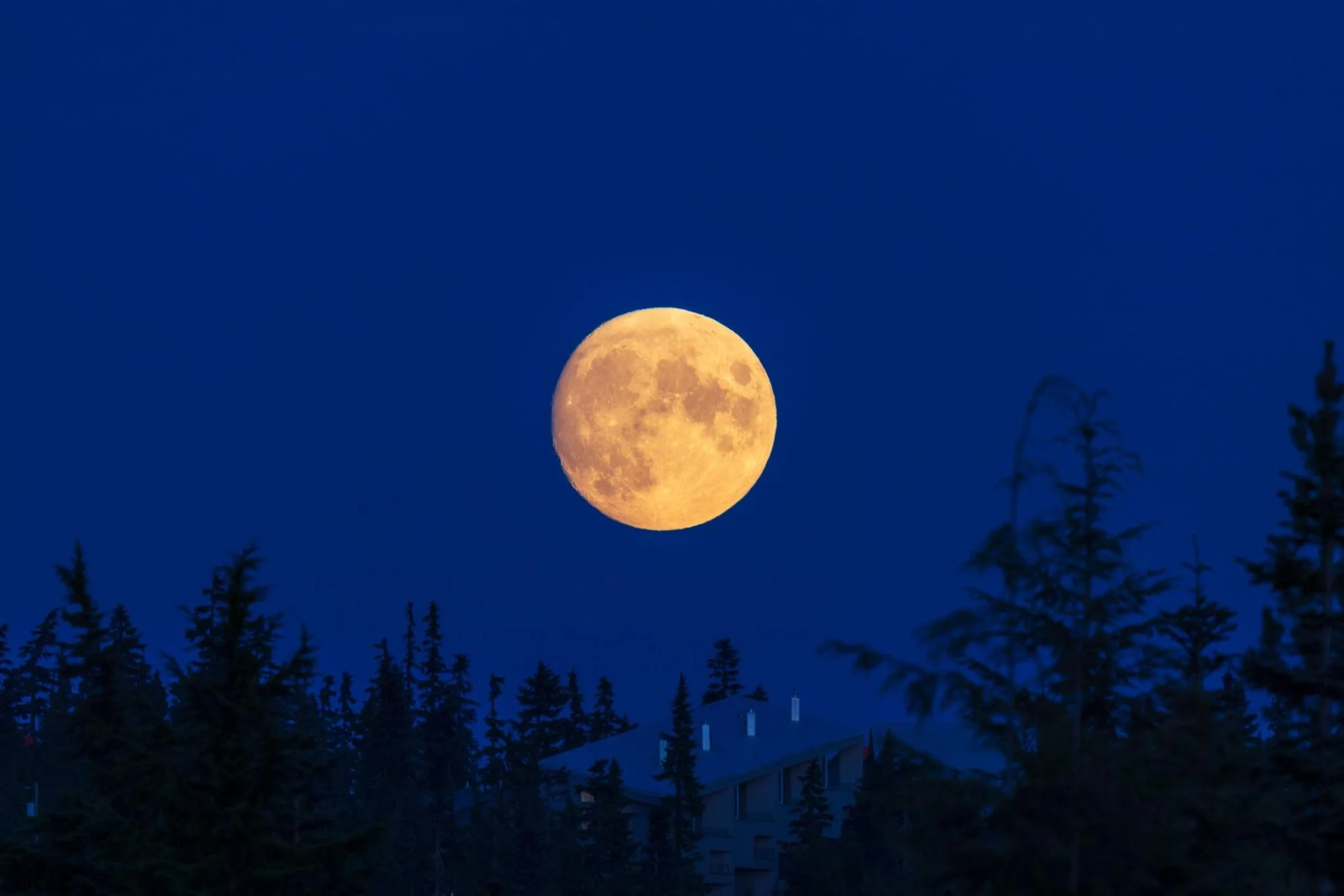
September's full Moon is the Harvest Moon, reaching full phase on September 26. Because it occurs close to the autumnal equinox, the Harvest Moon is traditionally associated with the beginning of the autumn harvest. Its bright light will wash out many faint stars and deep-sky objects, but it provides an excellent opportunity for lunar observing and photography.
For the darkest skies, the period surrounding the September 11 New Moon provides the best opportunity to explore faint objects. As the month progresses, the increasing length of the night makes September an especially satisfying time to return to deep-sky observing.
Looking Ahead to Autumn
September is a month of transition. The brilliant Milky Way of summer is still visible, but the constellations of autumn are taking their place in the eastern sky. Saturn is becoming a major evening attraction, Venus shines brightly in the west, and the Harvest Moon lights up the end of the month.
As the evenings grow longer and the air begins to cool, September offers a final opportunity to enjoy the summer sky while welcoming the return of the darker nights of autumn.
What’s in the Sky — August 2026 | Victoria, B.C.
August is one of the finest months of the year for stargazing in Victoria. The nights continue to lengthen, temperatures remain comfortable, and the summer Milky Way is perfectly placed for evening observing. Best of all, August brings the year's most popular meteor shower—the Perseids—making this an excellent month for both seasoned astronomers and first-time observers.
The Milky Way and the Perseids
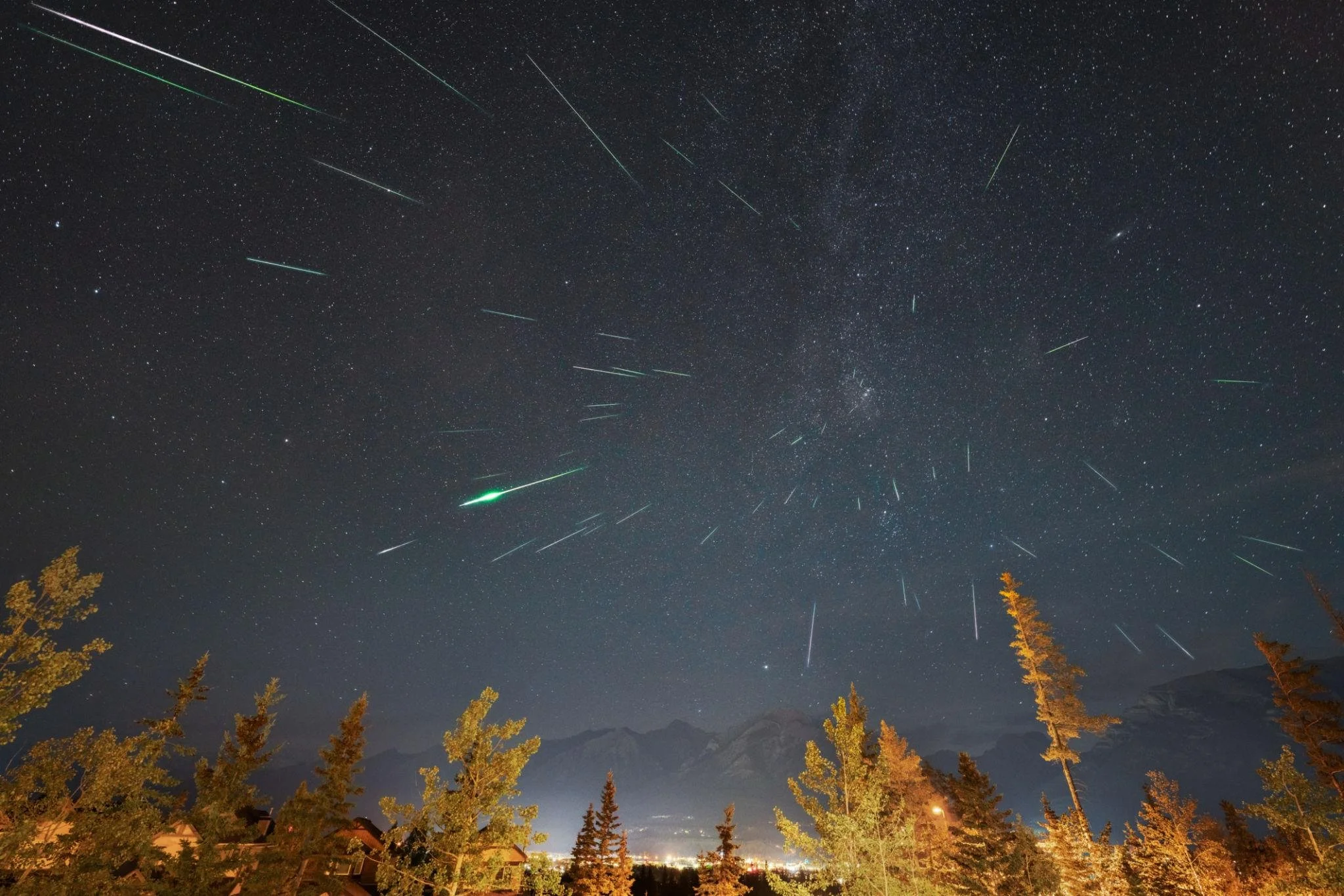
Throughout the month, the Milky Way stretches high across the sky after darkness falls, running from the northeastern horizon through the Summer Triangle before descending toward the southern horizon. Under dark skies away from city lights, its countless stars, dark dust lanes, and glowing nebulae create one of the most spectacular sights visible from Earth.
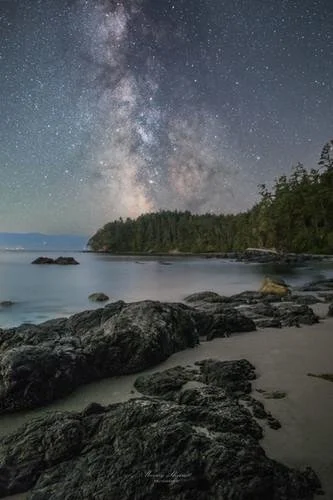
The Perseid meteor shower reaches its peak during the night of August 12–13. Produced by debris left behind by Comet Swift–Tuttle, the Perseids are famous for their bright, fast-moving meteors and occasional fireballs. What makes 2026 truly exceptional is that the peak coincides with a New Moon. With absolutely no moonlight to wash out the sky, observers under ideal dark-sky conditions may see up to 90 meteors each hour. The best viewing occurs after midnight, when the shower's radiant in the constellation Perseus climbs higher into the northeastern sky. Fortunately, the warm August weather makes this one of the most enjoyable meteor showers to watch, whether from a backyard or a favourite dark-sky location.
A Deep Partial Lunar Eclipse
As if a perfect, moonless meteor shower wasn't enough, Victoria will also be treated to a spectacular deep partial lunar eclipse on the evening of Thursday, August 27.
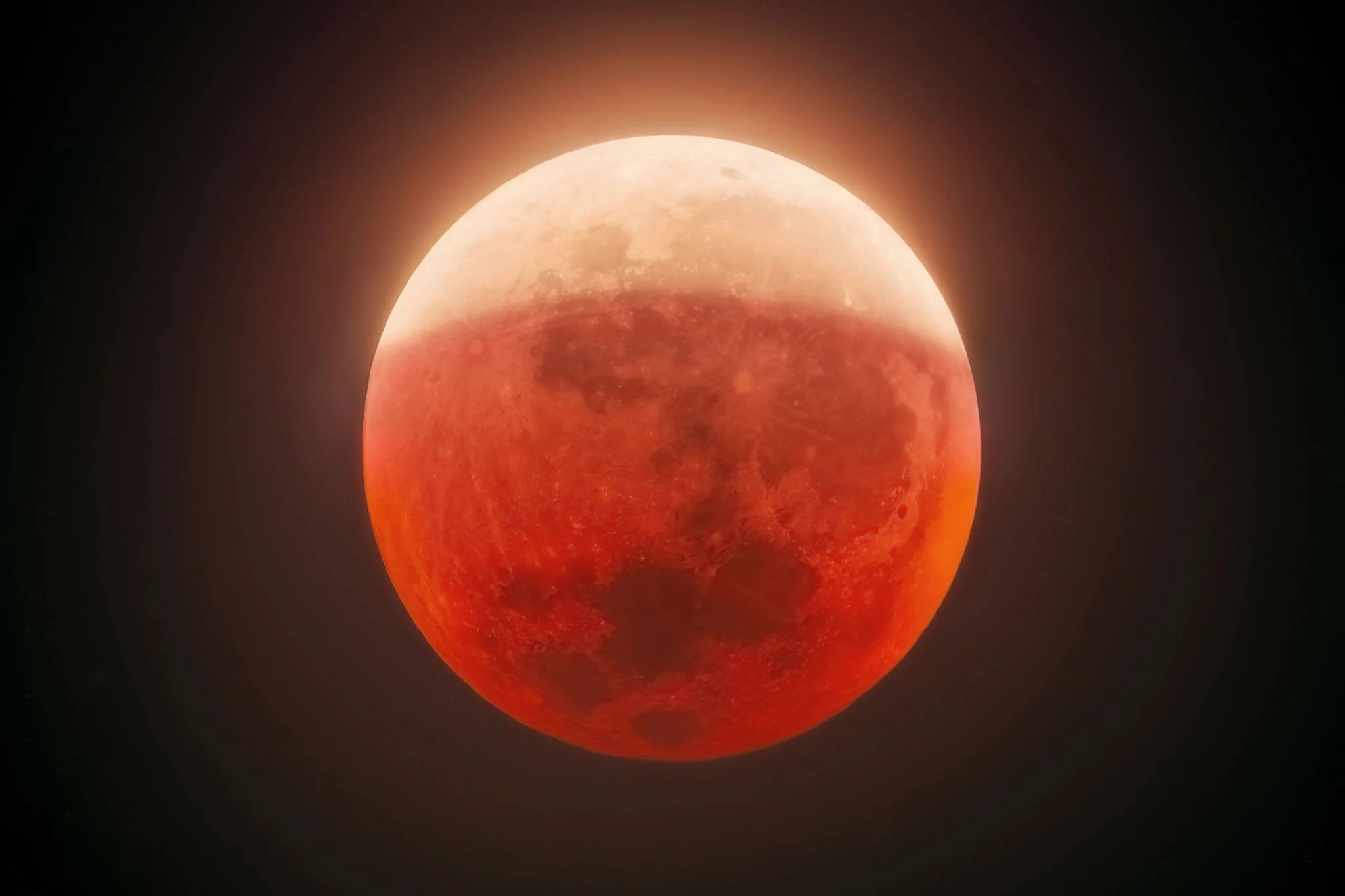
When the moon rises in the east just before 8:00 p.m. PDT, the eclipse will already be underway. At maximum eclipse (9:12 p.m.), the darkest part of Earth's shadow (the umbra) will cover a stunning 93% of the moon's surface. It will look very close to a total "blood moon," appearing as a dark, reddish-orange sliver low in the southeastern sky before the partial phase ends at 10:51 p.m.
Deep-Sky Highlights
The Summer Triangle continues to dominate the evening sky. The bright stars Vega, Deneb, and Altair provide an easy guide to the Milky Way and the surrounding constellations. Following the Milky Way southward leads observers toward some of the richest regions of our galaxy, where binoculars and small telescopes reveal dense star clouds, colourful nebulae, and numerous open star clusters.
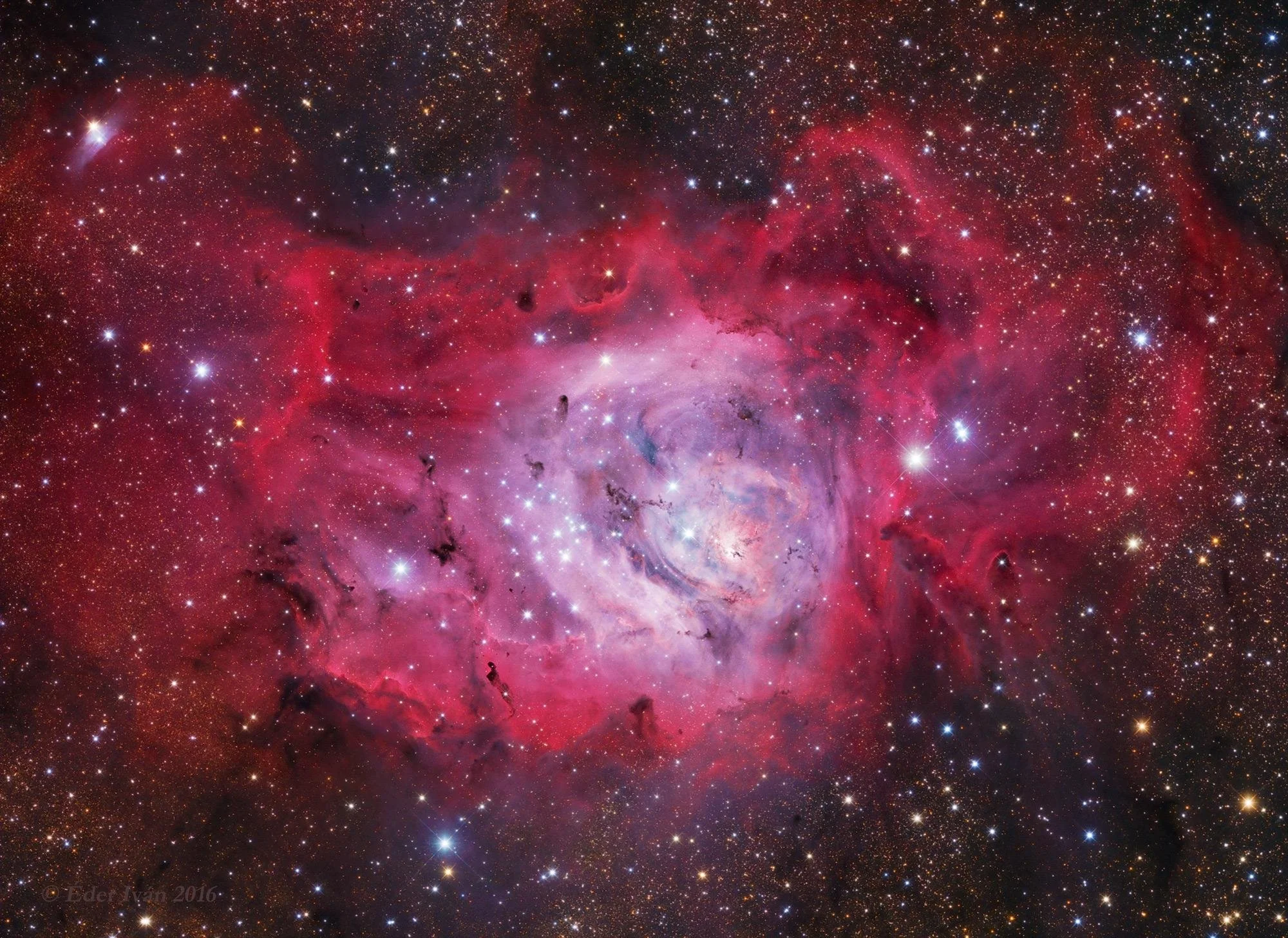
Low in the southern sky, the constellations Sagittarius and Scorpius continue to offer rewarding deep-sky targets. Although these constellations never rise especially high above Victoria's southern horizon, they contain several of the summer sky's most celebrated objects. The Lagoon Nebula (M8), Trifid Nebula (M20), and Eagle Nebula (M16) are all excellent targets for observers with a clear southern horizon and steady atmospheric conditions.
The Return of Autumn Skies
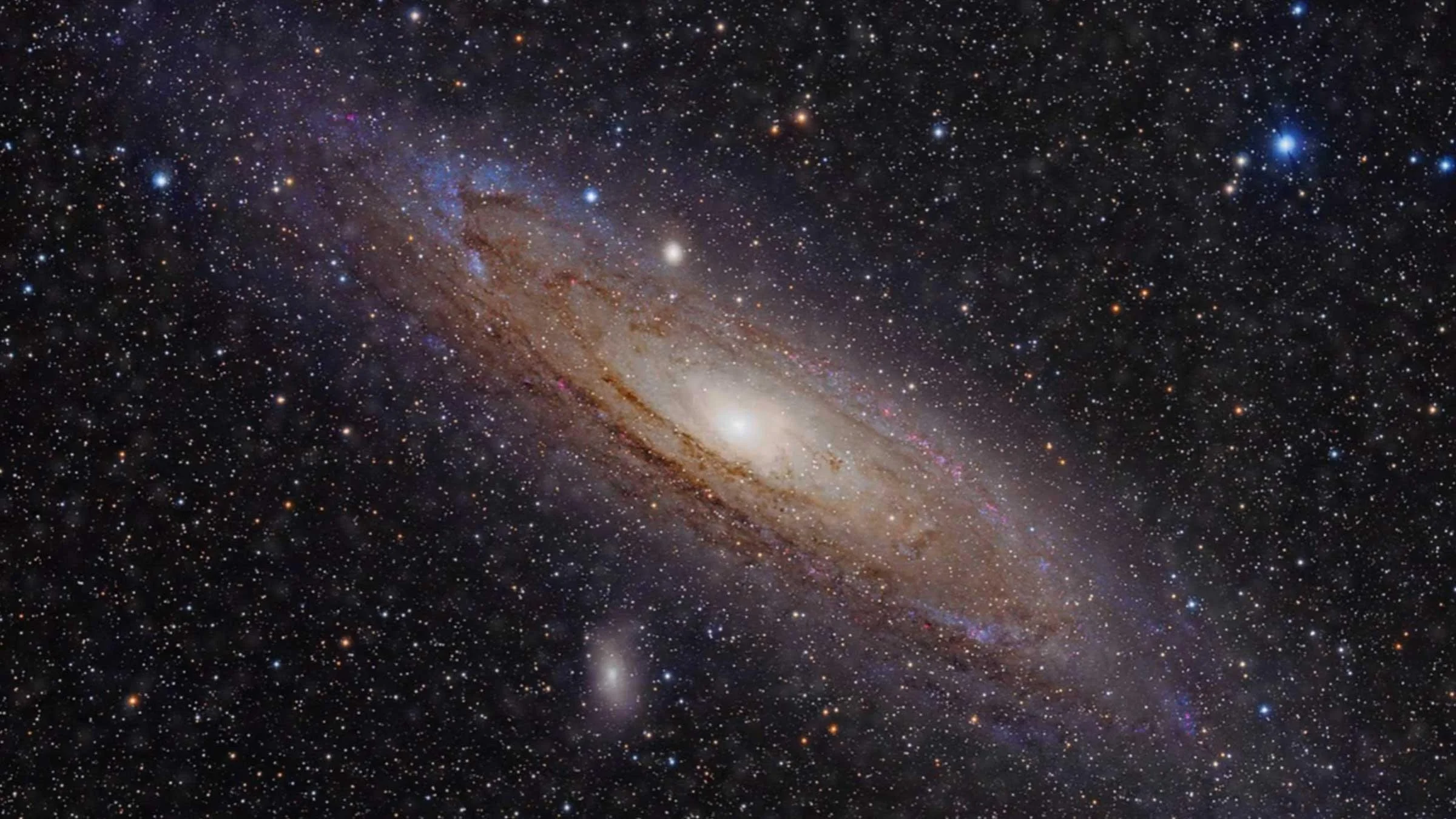
As the month progresses, another familiar autumn constellation begins making its return. The Great Square of Pegasus rises in the east during the late evening, announcing the arrival of autumn skies. Not far away lies the Andromeda Galaxy (M31), the most distant object visible to the unaided eye. Through binoculars it appears as a soft, elongated glow, while larger telescopes begin to reveal its bright central region and hints of its immense spiral structure.
By the end of August, the changing seasons become increasingly apparent. The nights arrive earlier, mornings grow cooler, and the first signs of autumn begin appearing overhead. Even as the Milky Way continues to dominate the sky, familiar autumn constellations slowly climb higher each night, marking the transition into a new observing season.
Whether you're lying back to watch a perfectly moonless Perseid meteor shower, watching Earth's shadow swallow the moon, exploring the star clouds of the Milky Way, or searching for the distant Andromeda Galaxy, August 2026 offers some of the most memorable nights of the decade for astronomy. With comfortable temperatures, incredible celestial events, and an abundance of deep-sky treasures, it is a month well worth spending under the stars.
What’s in the Sky — July 2026 | Victoria, B.C.
July is one of the best months of the year for stargazing in Victoria. While the nights remain relatively short, astronomical darkness returns for much longer than it does in June, and the summer Milky Way takes centre stage. Warm temperatures and generally stable weather make July an ideal time to explore the night sky, whether with the naked eye, binoculars, or a telescope.
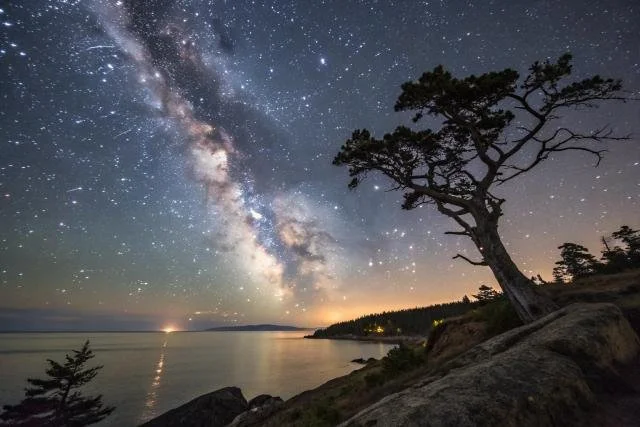
By late evening, the Milky Way stretches from the north-eastern sky toward the southern horizon, revealing countless stars, dark dust lanes, and bright nebulae. Under dark skies away from city lights, its structure becomes strikingly apparent and serves as the highlight of the month for many observers.
The Summer Triangle now dominates the eastern and overhead sky.
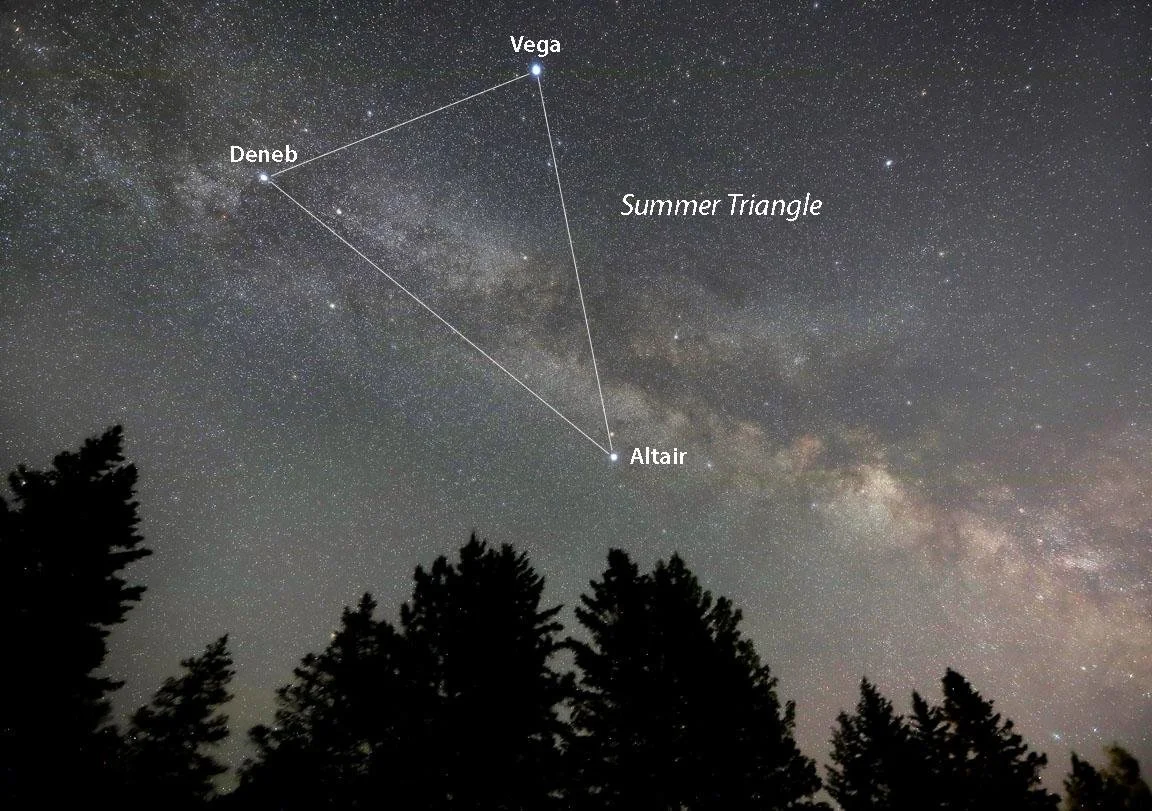
Formed by the bright stars Vega, Deneb, and Altair, this familiar pattern is one of the easiest asterisms to identify during the summer months. Once you've found the Summer Triangle, following the Milky Way southward leads to some of the richest regions of our galaxy.
Among the season's finest deep-sky objects are several bright nebulae found low in the southern sky.
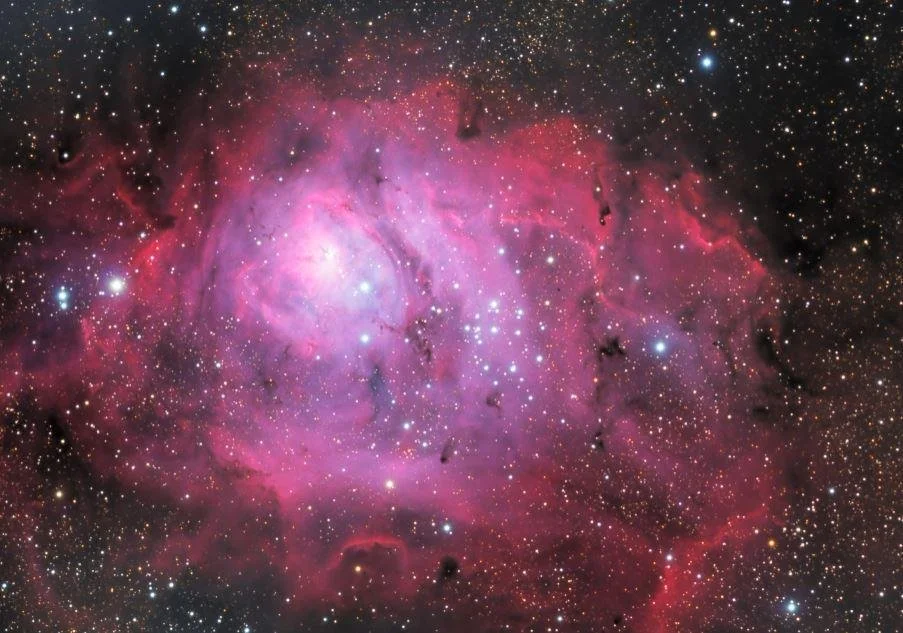
Although the constellations Sagittarius and Scorpius never climb particularly high above Victoria's southern horizon, they contain spectacular objects including the Lagoon Nebula (M8), the Trifid Nebula (M20), and the rich Sagittarius Star Cloud (M24). These objects are best viewed from locations with a clear southern horizon and minimal light pollution.
The Milky Way also offers excellent opportunities for binocular observing. Sweeping slowly along its brightest regions reveals numerous open star clusters, glowing nebulae, and intricate dark lanes of interstellar dust. Some of the most rewarding observations require no telescope at all.
Planetary observing becomes more limited during July, but Venus continues to shine brilliantly in the evening twilight.
Low in the western sky after sunset, Venus remains one of the brightest objects in the night sky and is easily visible even before the sky becomes fully dark. It provides an excellent target for casual observers and photographers alike.
July also marks the beginning of the return of one of the year's most anticipated meteor showers. The Southern Delta Aquariids become active during the second half of the month, although they do not reach their peak until late July and are generally modest from Canadian latitudes. Patient observers under dark skies may begin spotting a few meteors in the hours before dawn as the month comes to a close.
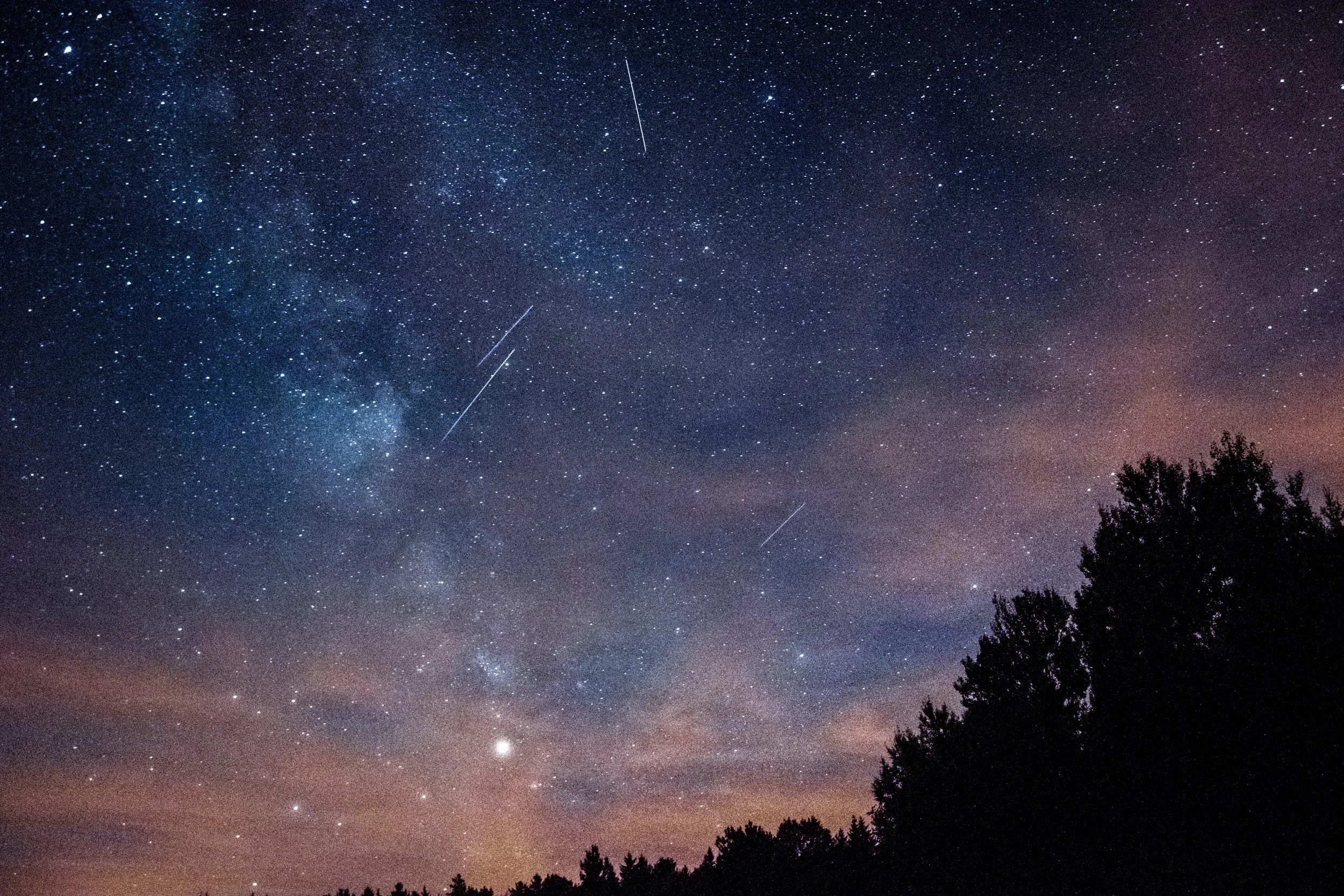
As July draws to a close, the summer sky settles into its finest form. The Milky Way arches high overhead, warm evenings invite longer observing sessions, and the rich star fields of our own galaxy provide endless opportunities for exploration. Whether you're discovering the night sky for the first time or revisiting familiar favourites, July offers some of the year's most rewarding nights beneath the stars.
What’s in the Sky - June 2026 (Victoria, B.C.)
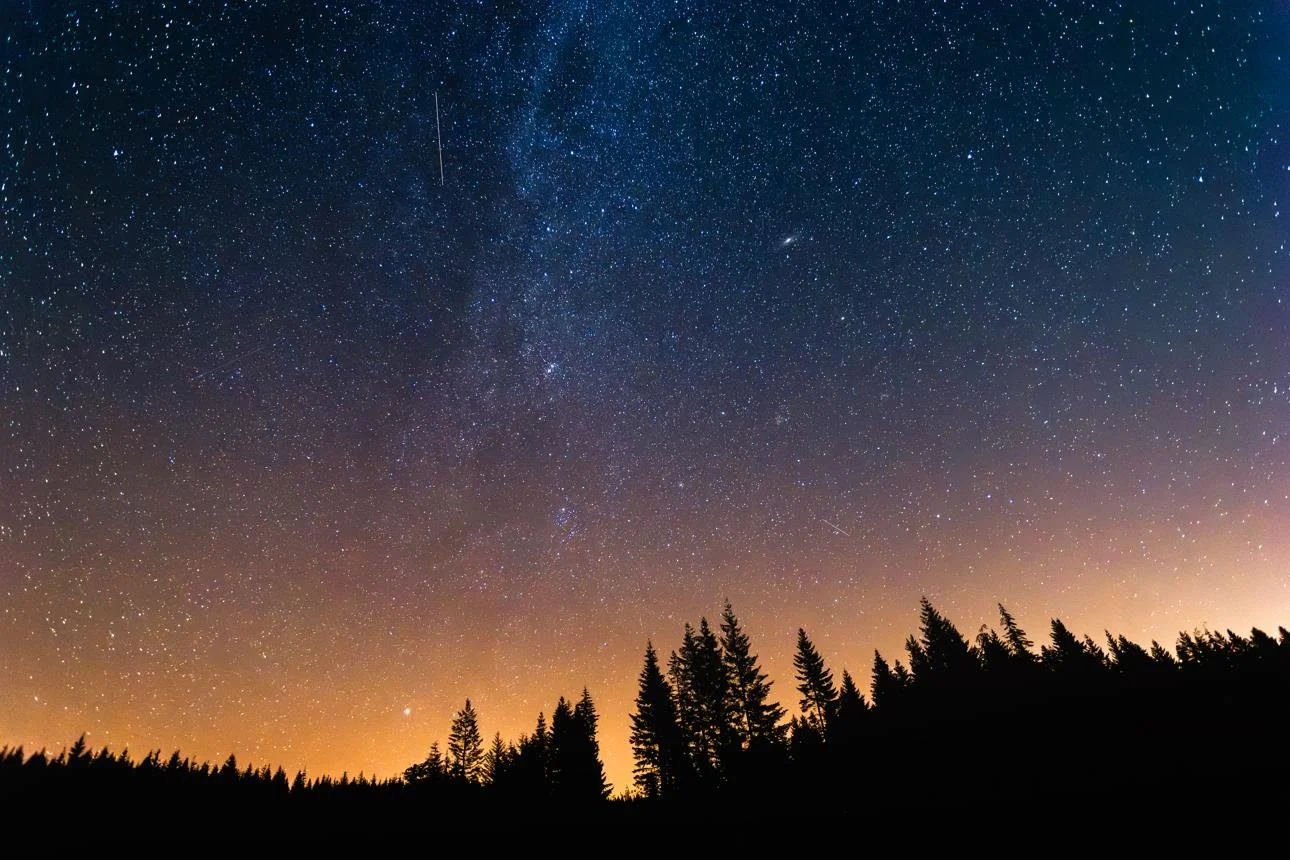
June marks the beginning of summer observing season across southern British Columbia. Although the nights grow short approaching the summer solstice, warmer temperatures and the gradual return of the Milky Way make this one of the most atmospheric times of year to spend under the stars.
For observers in Victoria, twilight becomes a defining feature of the month. Even long after sunset, a soft glow often remains along the northern horizon, especially near June 20 when the Sun reaches its northernmost point in the sky. True astronomical darkness only lasts a few hours, meaning deep-sky observers will need to stay out late to experience the best conditions.
Despite the brightening nights, several familiar planets remain visible during the evening hours.
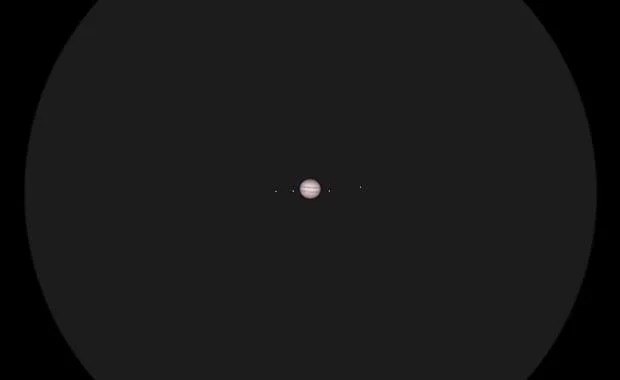
Jupiter continues shining in the western sky after sunset during the early part of the month, though it sinks lower each evening as June progresses. Through a telescope, observers can still make out its cloud belts and Galilean moons before it disappears into the twilight glow later in the month.
Venus remains impossible to miss in the evening sky.
Hanging low in the west after sunset, it blazes through the fading twilight and becomes one of the first celestial objects visible each evening. Its brightness makes it an ideal target for casual observers, photographers, and anyone simply taking a moment to look west as the Sun goes down.
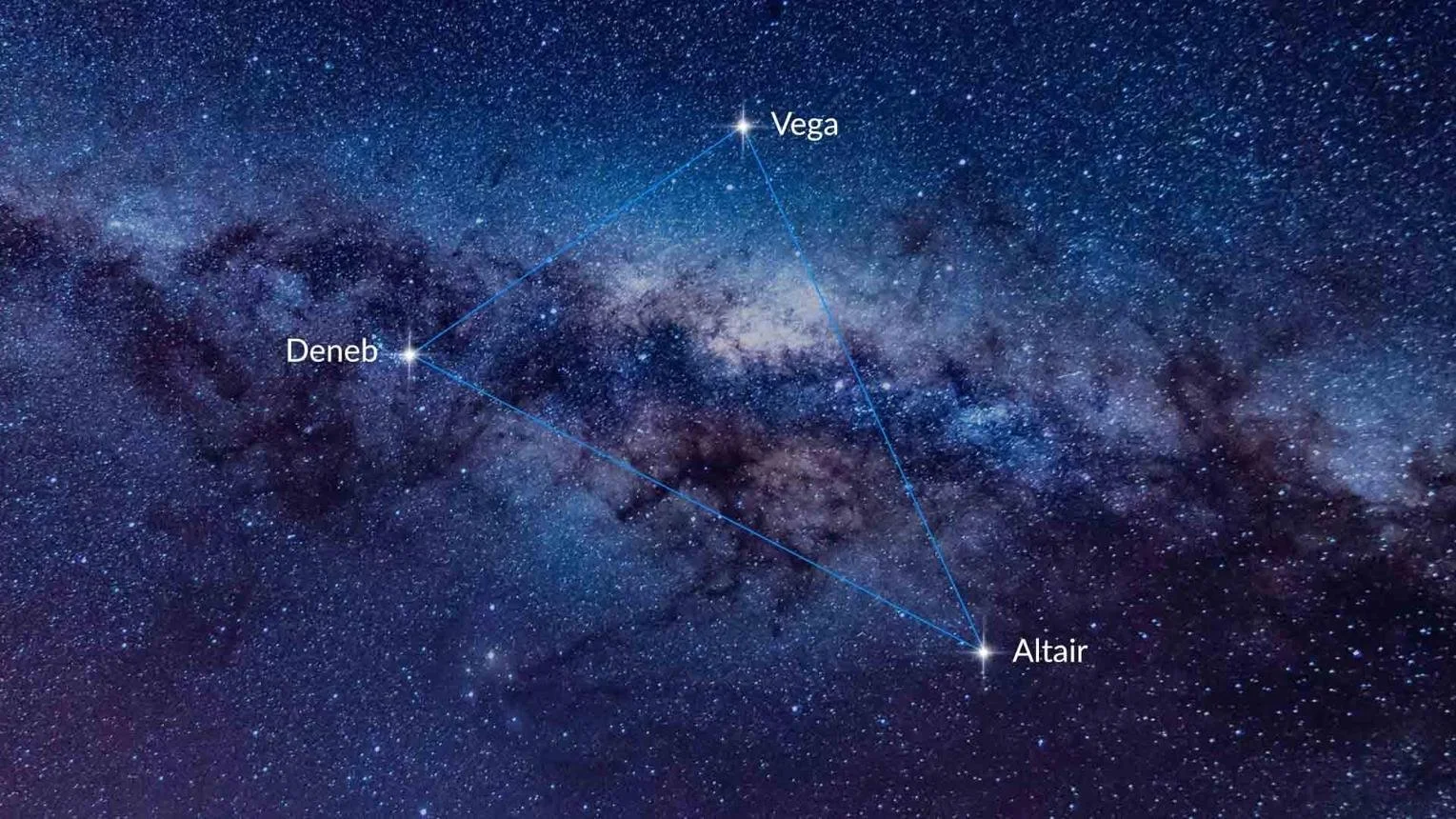
By late evening, the character of the sky begins to shift toward summer. The bright stars Vega, Deneb, and Altair climb steadily higher through the night, forming the well-known Summer Triangle.
This large asterism acts as a guidepost toward the Milky Way, which slowly becomes more prominent in the southeastern sky as the month progresses. For observers willing to stay up past midnight, June offers the first strong views of the dense star fields that will dominate the summer months ahead.
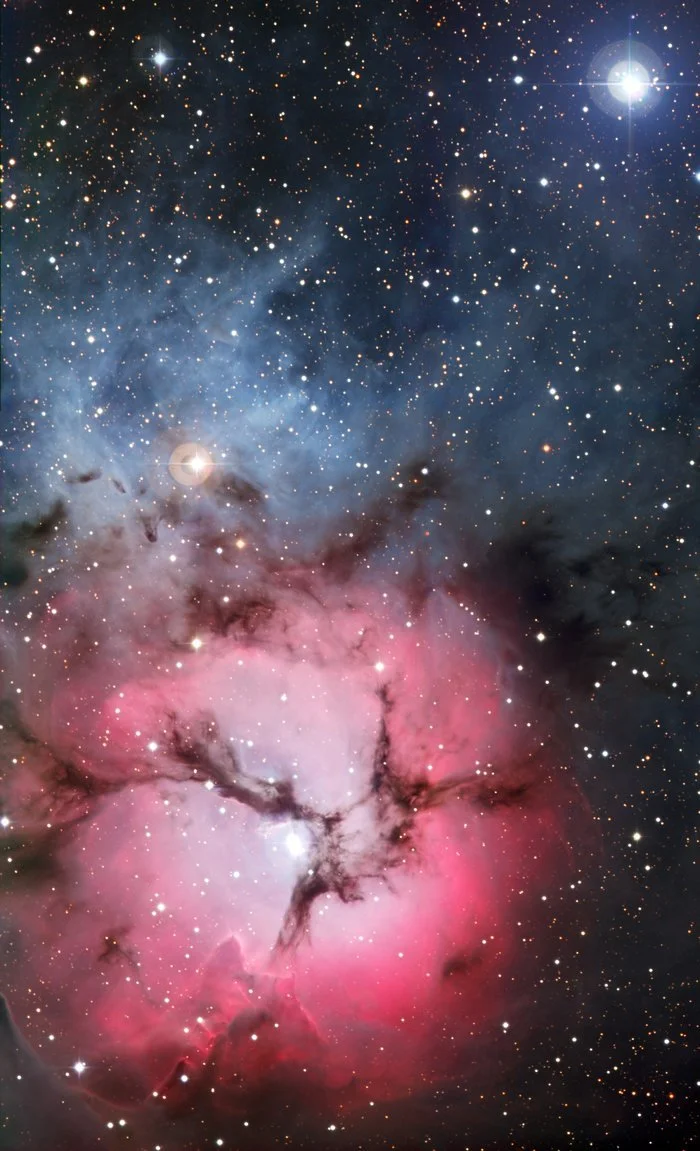
Some of the richest regions of the Milky Way also begin rising before dawn.
The constellations Sagittarius and Scorpius remain low from Victoria’s latitude, but they still reveal bright nebulae and crowded star fields in the direction of the galactic centre. Objects like the Lagoon Nebula and Trifid Nebula become increasingly rewarding targets under dark skies later in the month.
June may not provide the long nights of spring, but it replaces them with something different: warm air, late sunsets, and the unmistakable feeling that summer observing season has arrived. As the Milky Way slowly returns to the night sky, June becomes less about chasing individual events and more about simply spending time beneath the stars.
What’s in the Sky - May 2026 (Victoria, B.C.)
May brings longer days and shorter nights to southern Vancouver Island, but it remains a rewarding month for those willing to stay up late or rise early. As spring deepens, the sky shifts firmly into “galaxy season,” while the first clear signs of summer—most notably the return of the Milky Way—begin to emerge in the pre-dawn hours. Although there are fewer headline-grabbing events than in April, May offers excellent conditions for planetary viewing and deep-sky exploration.
A Quiet Month for Meteors
Unlike April, May does not feature a major, reliable meteor shower. While minor showers such as the Eta Aquariids occur in early May, they strongly favor observers in the Southern Hemisphere and tropical latitudes.
From Victoria, the radiant remains low on the horizon, meaning meteor rates will be modest—often only a few meteors per hour under ideal conditions. Observers who do wish to try should look toward the eastern sky in the hour before dawn during the first week of May.
Planetary Viewing
Jupiter Continues to Shine
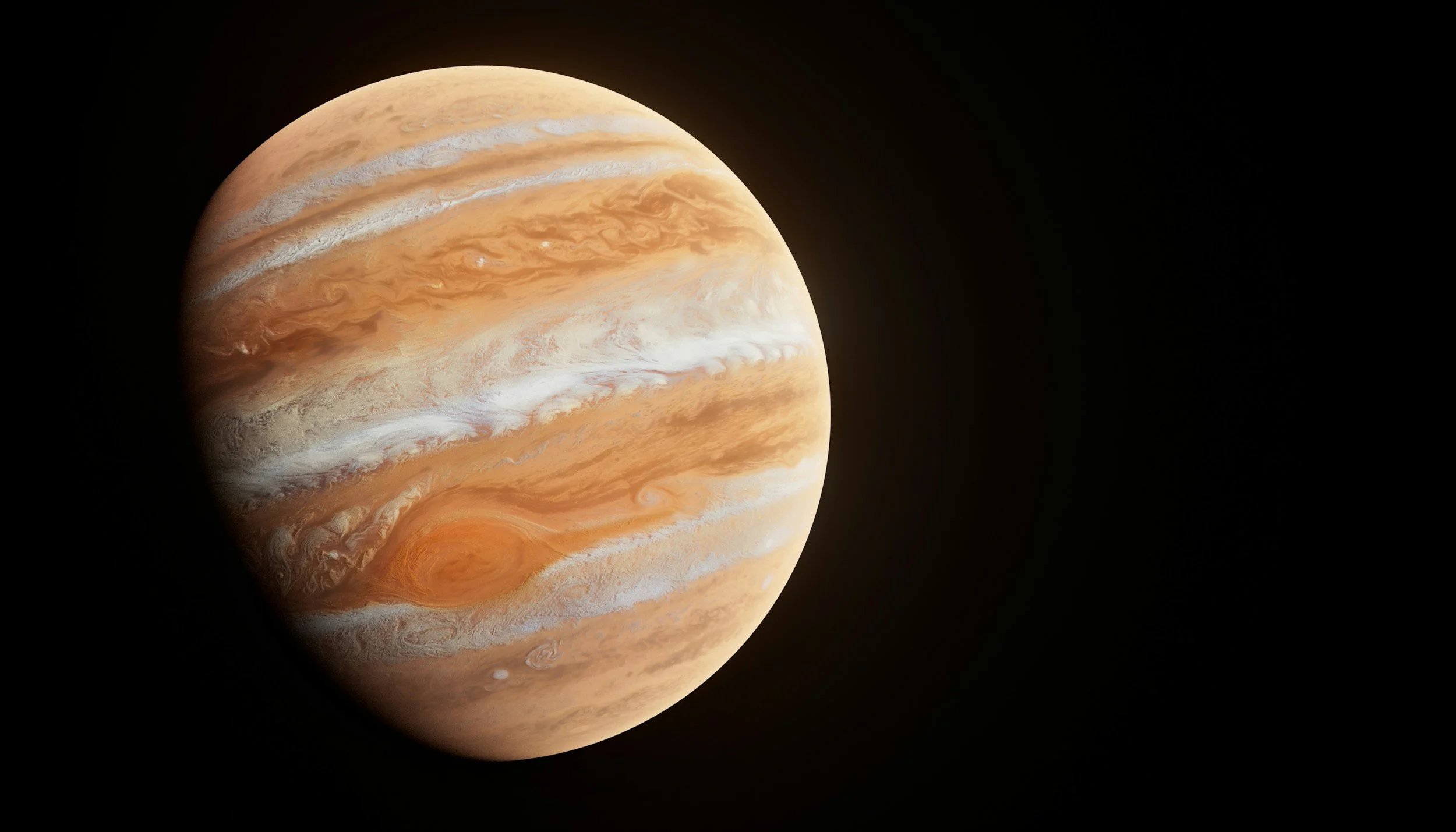
Jupiter remains a prominent feature of the evening sky in early May, though it begins to drift closer to the western horizon as the month progresses.
Early in the month, it is still well placed for observing after sunset. As May continues, the viewing window gradually shortens, making earlier evening sessions more important.
Through a telescope, Jupiter continues to offer:
Distinct cloud bands
The four Galilean moons
Occasional shadow transits
It remains the most accessible and visually rewarding planet for observers this month.
Venus Dominates the Evening Twilight
Venus stands out brilliantly in the western sky after sunset, firmly established as the “Evening Star.” It is one of the easiest objects to identify, even for first-time observers.
Look for it:
Low in the western sky
About 30 to 60 minutes after sunset
Its brightness allows it to shine through twilight, making it an excellent target for casual viewing and photography.
Moonlight and Observing Conditions
Moon phases once again play a crucial role in planning observations.
The darkest skies of the month occur approximately between:
May 8–16
This period provides the best opportunity to observe faint deep-sky objects such as galaxies and globular clusters.
As the month progresses, increasing twilight and shorter nights begin to limit observing time, particularly for deep-sky enthusiasts.
Peak Galaxy Season
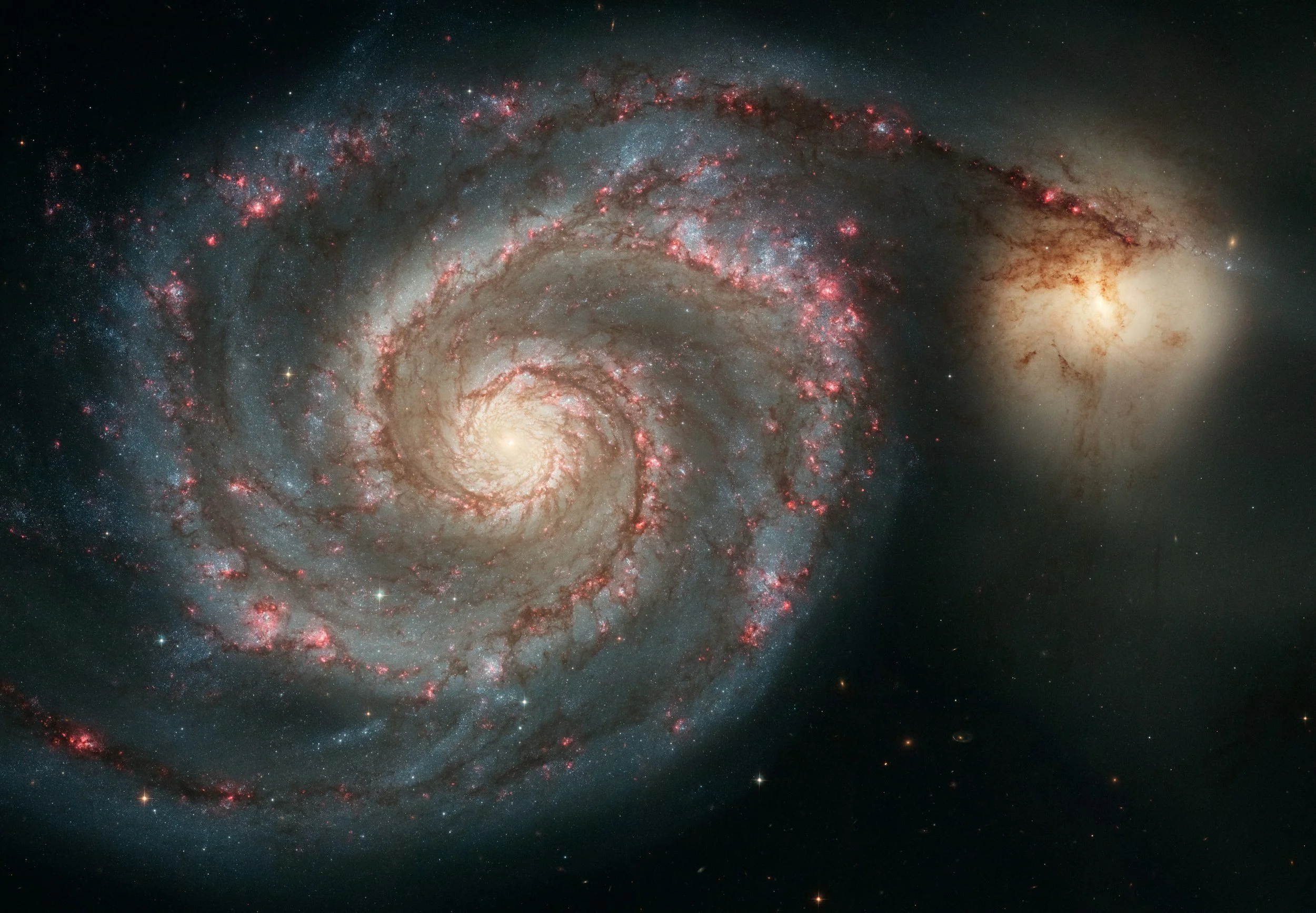
May is one of the best months of the year for observing galaxies from mid-northern latitudes. With the constellations of Virgo, Coma Berenices, and Ursa Major high in the sky during the evening, observers have access to a vast number of distant galaxies.
Notable targets include:
The Virgo Cluster, a dense region containing thousands of galaxies
The galaxy pair M81 and M82 in Ursa Major
The Whirlpool Galaxy (M51), a classic spiral galaxy visible in modest telescopes
For observers with darker skies and larger instruments, this is an ideal time to explore the large-scale structure of the universe.
The Return of the Milky Way
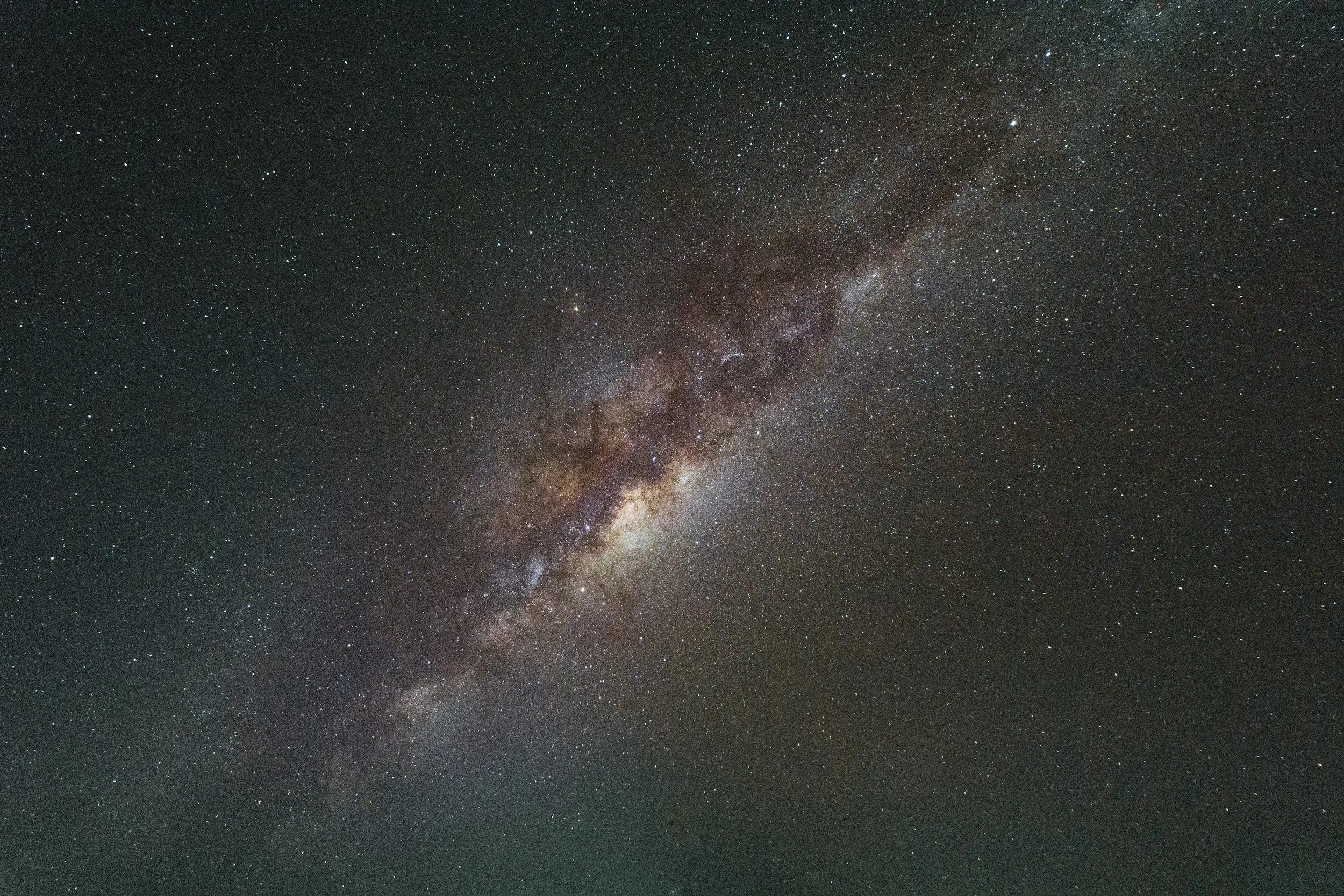
By mid to late May, the summer Milky Way begins to rise in the early morning hours. While it is not yet visible in the evening, dedicated observers who stay up late—or wake early—can catch its first appearance stretching across the southeastern sky before dawn.
This marks the transition away from galaxy-dominated spring skies toward the rich star fields and nebulae of summer.
Final Thoughts
May may lack a major meteor shower, but it more than compensates with excellent galaxy observing and strong planetary views. It is a month that rewards patience and planning, offering a quieter but deeply satisfying observing experience.
As the nights grow shorter and the air warms, May invites observers to slow down, explore the deep sky, and anticipate the return of the Milky Way in the months ahead.
What’s in the Sky - April 2026 (Victoria, B. C.)
April is a beautiful transition month for skywatchers in southern Vancouver Island. Winter’s brilliant constellations slowly sink into the western twilight while the first stars of summer begin rising later in the evening. With darker skies around mid-month and a reliable meteor shower on the calendar, April offers rewarding observing opportunities for both casual stargazers and dedicated telescope users.
The Lyrid Meteor Shower
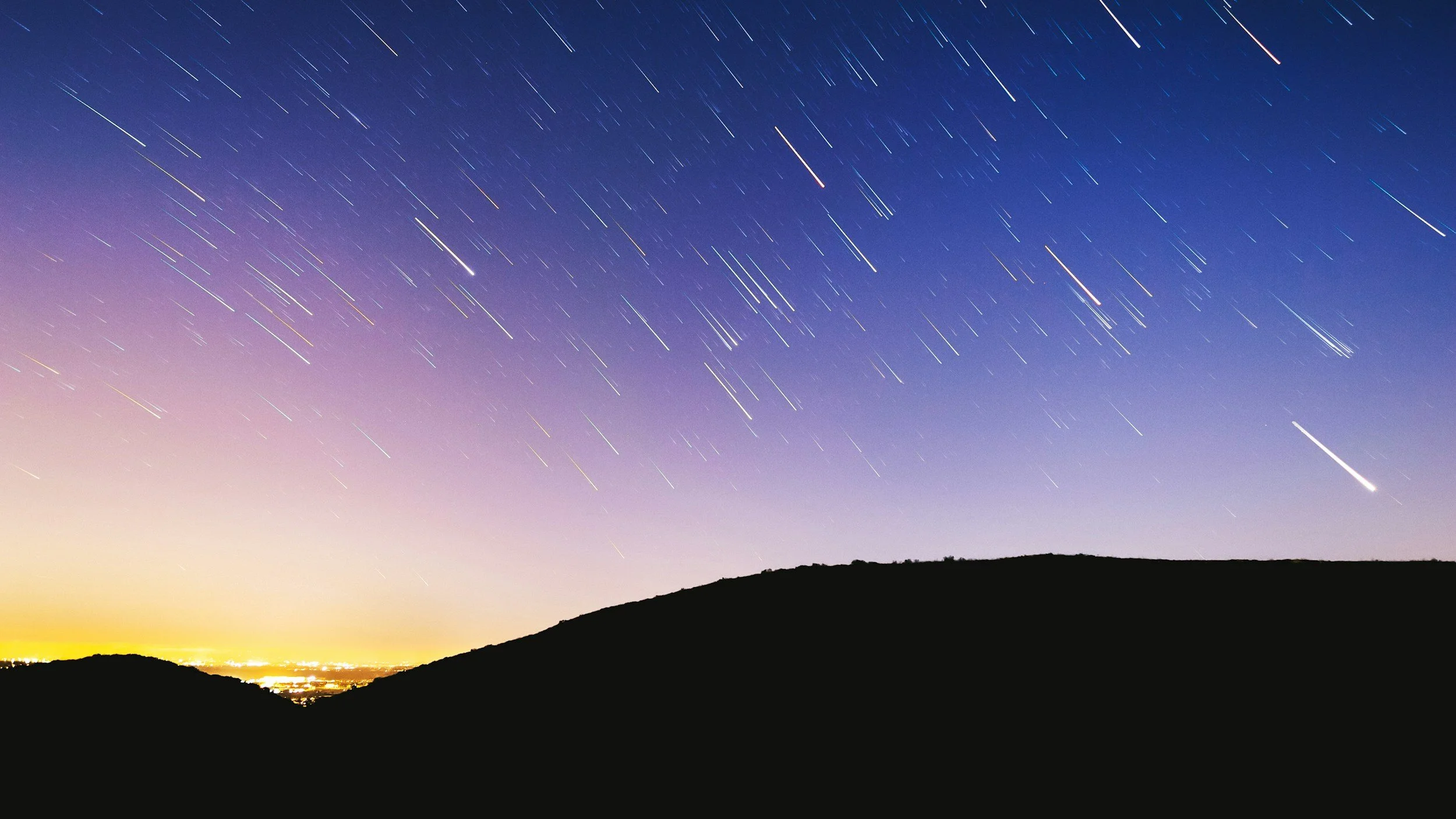
The highlight of April is the annual Lyrid meteor shower, active from April 16 to April 25 and peaking during the night of April 21–22.
Under dark skies, observers can expect roughly 10 to 20 meteors per hour, with occasional brighter streaks known as fireballs. The meteors appear to radiate from the constellation Lyra, which rises in the northeast after midnight for observers at Victoria’s latitude.
For the best experience, head outdoors after midnight, face toward the eastern or northeastern sky, and allow at least 20 minutes for your eyes to fully adapt to the darkness. Even from suburban locations, patient observers should be able to spot several meteors per hour, while darker rural skies can provide a significantly more impressive display.
A Possible Comet Visitor
A potentially interesting comet may become visible in April as it approaches perihelion. Comet brightness is notoriously difficult to predict, but optimistic forecasts suggest it could become observable through binoculars and perhaps even to the naked eye.
The best opportunity to search for the comet will likely occur during the predawn hours between April 13 and April 20, when it will appear low in the eastern sky. Because comet activity can change rapidly, this event represents one of the more exciting and uncertain observing opportunities of the month.
Planetary Viewing
Jupiter in the Evening Sky
Jupiter continues to dominate the evening sky throughout April. Shining brilliantly after sunset, it remains visible for much of the night and is an excellent target for small and medium-sized telescopes.
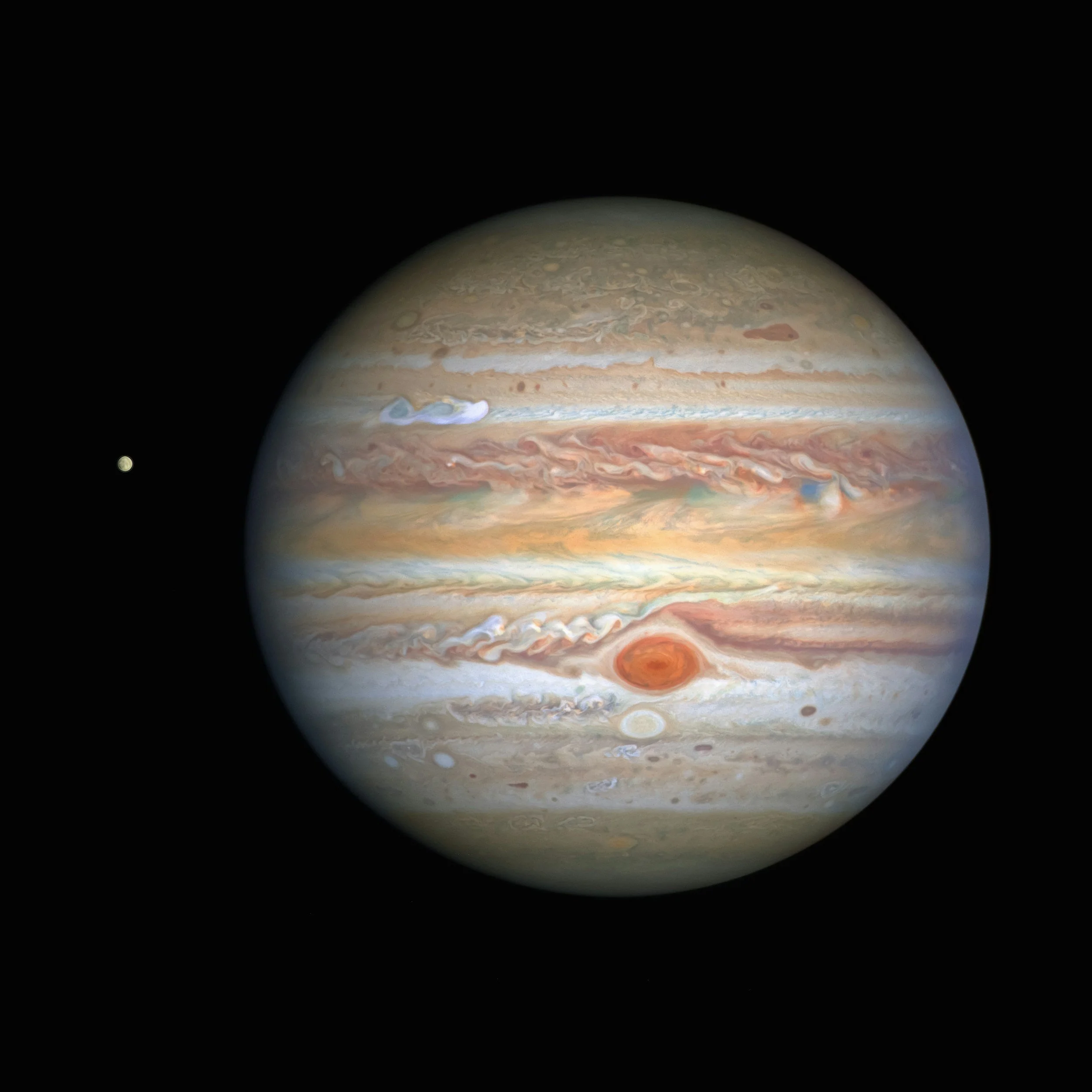
Observers may be able to see the planet’s cloud belts, the four Galilean moons, and occasional shadow transits when a moon passes between Jupiter and the Sun. For many observers, Jupiter will be the most visually rewarding planetary target of the month.
Venus Returns as the Evening Star
Venus is becoming increasingly prominent after sunset as it transitions into its role as the well-known “Evening Star.” Look for it low in the western sky approximately 30 to 60 minutes after sunset. Its intense brightness allows it to remain visible even through lingering twilight.
A Morning Planet Gathering
Around mid-April, several planets form a loose grouping in the morning sky. From Victoria, however, these objects will remain quite low above the horizon and may be difficult to observe without an unobstructed eastern view and very clear atmospheric conditions.
This makes the event particularly appealing for astrophotographers and experienced observers willing to venture out before sunrise.
Moonlight and Dark-Sky Opportunities
Moon phase strongly influences deep-sky observing conditions. The darkest skies of April occur roughly between April 10 and April 18, providing excellent opportunities to observe faint galaxies, globular clusters, and other deep-sky objects.
Although brighter moonlight near the peak of the Lyrid meteor shower may slightly reduce meteor counts, brighter meteors should still be visible even under partially illuminated skies.
The Start of Galaxy Season
April evenings are often referred to by astronomers as the beginning of “galaxy season.” As darkness falls, observers can explore regions of the sky rich with distant galaxies.
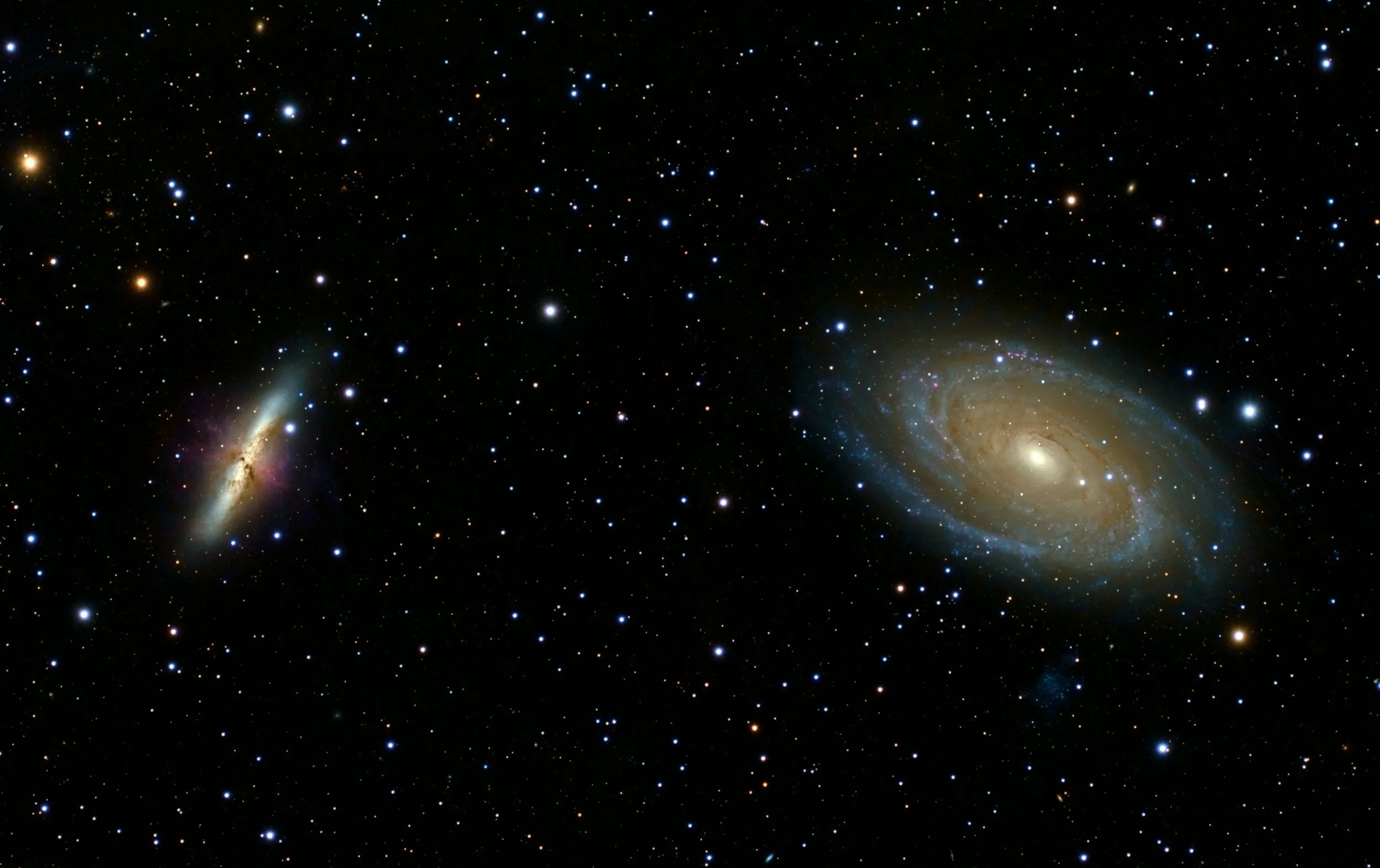
Notable targets include the Virgo Cluster of galaxies, the bright galaxy pair M81 and M82 in Ursa Major, and the globular cluster M3, which rises later in the evening. By late April, the bright summer star Vega rises before midnight, signalling the gradual return of the Milky Way to the night sky.
Final Thoughts
April offers a compelling mix of observing opportunities, from meteor watching under cool spring skies to planetary viewing and the first hints of summer constellations. It is a month of transition, allowing attentive observers to witness the night sky shifting from winter brilliance toward the deep-sky richness of the warmer months ahead.
With a clear horizon, dark skies, and a bit of patience, April can be one of the most rewarding months of the year to simply step outside and look up.